The Anti-Inflammatory Diet Protocol: Clinician-Backed Foods to Cool Systemic Inflammation and Protect Longevity
While acute inflammation is a life-saving biological response that heals wounds and repels microbial pathogens, systemic chronic inflammation (SCI) represents a quiet, smoldering threat. When immune signaling pathways remain perpetually switched on, low-grade inflammatory cascades damage endothelial linings, impair cellular insulin sensitivity, and accelerate telomere shortening. Over decades, this covert physiological stress significantly elevates the risk of cardiovascular events, type 2 diabetes, non-alcoholic fatty liver disease, cognitive decline, and certain malignancies.
Pharmaceutical interventions address acute symptoms, but nutritional epidemiology overwhelmingly indicates that our daily dietary pattern serves as the primary environmental dial controlling inflammatory gene expression. Adopting a structured anti-inflammatory eating regimen is not about rigid caloric restriction; rather, it is a metabolic recalibration that floods your circulation with bioactive phytonutrients, stable fatty acids, and microbiome-nourishing prebiotic fibers to restore immunological homeostasis.
Key Takeaways
- Pattern Over Perfection: An anti-inflammatory diet is not a rigid prescription of single ‘superfoods’ but a cumulative, plant-forward Mediterranean or DASH-style eating pattern.
- Dual Mechanism: Efficacy depends equally on flooding tissues with protective polyphenols and omega-3s while systematically eliminating ultra-processed, hyper-palatable foods.
- Microbiome Modulation: Fermented foods and fermentable soluble fibers produce short-chain fatty acids that directly downregulate pro-inflammatory cytokine transcription.
- Whole-Body Synergy: Dietary optimizations must be supported by restorative sleep, visceral fat reduction, and physical movement to optimize systemic inflammatory biomarkers like hs-CRP.
The Pathophysiology of Chronic Inflammation: Why the Modern Diet Triggers Immune Overdrive
In healthy physiology, the resolution of an inflammatory response is an active, biochemically coordinated process. However, typical modern Western diets disrupt this delicate resolution phase through multiple molecular mechanisms:
- Endothelial Insult via Glycation: Diets saturated in refined flours and isolated sugars trigger repeated postprandial glucose spikes. This state fosters the formation of Advanced Glycation End-products (AGEs), which bind to cell-surface receptors (RAGE) to stimulate the nuclear factor kappa B (NF-κB) pathway, triggering sustained release of inflammatory cytokines like interleukin-6 (IL-6) and tumor necrosis factor-alpha (TNF-α).
- Gut Endotoxemia: Diets deficient in dietary fiber degrade the protective colonic mucin barrier. This increased intestinal permeability permits lipopolysaccharides (LPS)—endotoxins from gram-negative bacterial walls—to enter systemic circulation, keeping circulating white blood cells on perpetual high alert.
- Arachidonic Cascade Imbalance: An overwhelming ratio of omega-6 to omega-3 polyunsaturated fatty acids fuels enzymatic pathways that synthesize potent pro-inflammatory eicosanoids, including thromboxane A2 and prostaglandin E2.
The Core Anti-Inflammatory Food Groups: What Science Urges You to Eat
Rather than seeking an unattainable single dietary cure, clinical research emphasizes constructing a diverse dietary matrix rich in the following bioactive constituents:
1. Omega-3 Fatty Acids (EPA, DHA, and ALA)
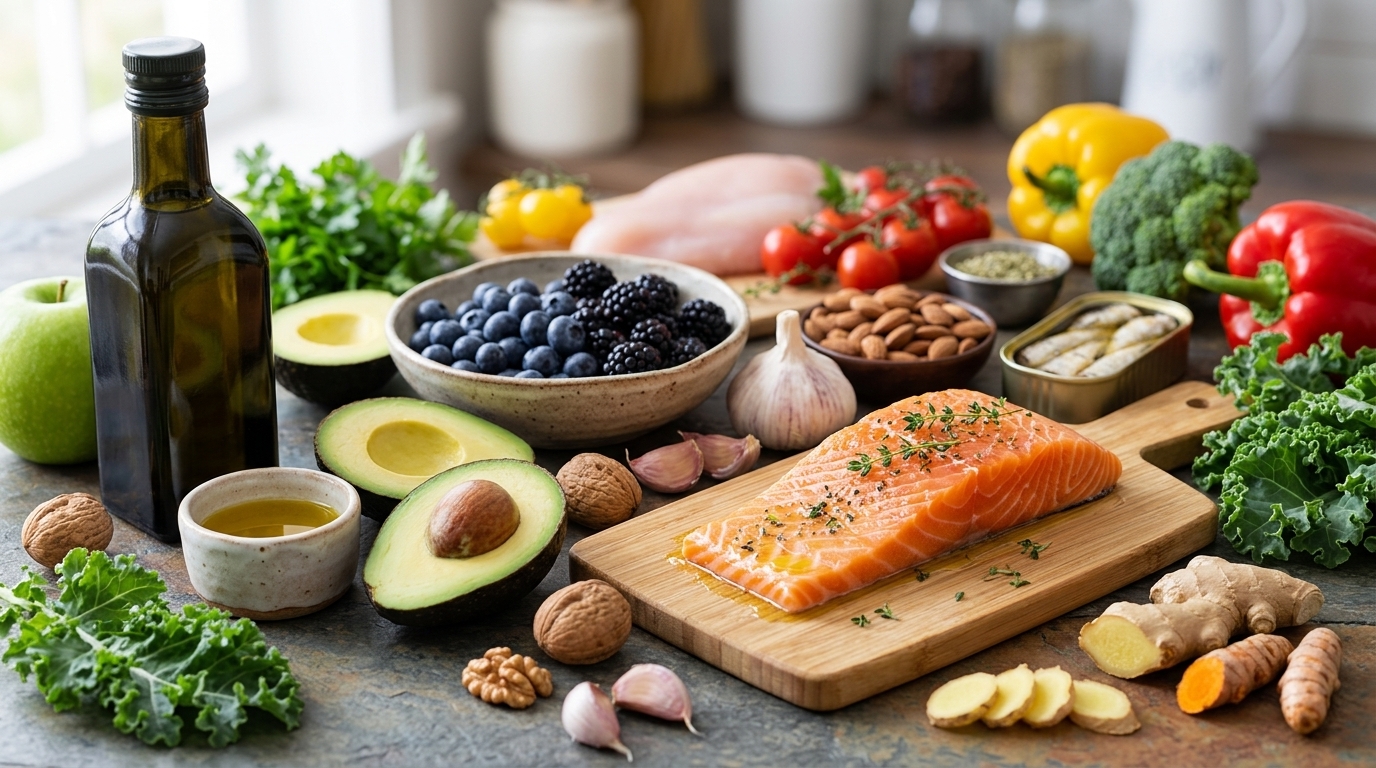
Marine-derived omega-3s serve as molecular substrates for specialized pro-resolving mediators (SPMs)—specifically resolvins, protectins, and maresins—which actively switch off inflammatory cascades without suppressing innate immunity. Aim for at least two to three servings weekly of wild-caught, low-mercury fatty fish such as salmon, sardines, mackerel, and anchovies. Plant-based alpha-linolenic acid (ALA) sources like chia seeds, ground flaxseeds, and raw walnuts provide essential complementary support.
2. High-Density Polyphenols
Polyphenols are secondary plant metabolites that exert direct antioxidant effects while activating Nrf2, the body’s master cellular defense transcription factor. Incorporate deeply pigmented produce daily:
- Anthocyanins: Plentiful in wild blueberries, blackberries, cherries, and pomegranates.
- Catechins and Quercetin: Abundantly concentrated in ceremonial-grade green tea, red onions, capers, and dark cocoa (minimum 70% cacao).
- Curcuminoids and Gingerols: Culinary therapeutics like fresh turmeric root (paired with black pepper for enhanced piperine-mediated bioavailability) and grated ginger provide potent inhibition of cyclooxygenase-2 (COX-2) enzymes.
3. Prebiotic Dietary Fibers & Fermented Probiotics
Fermentable fibers from legumes, rolled oats, artichokes, leeks, and barley are metabolized by commensal microbes into short-chain fatty acids (SCFAs), particularly butyrate. Butyrate reinforces the gut mucosal wall and suppresses inflammatory signaling in colonocytes. Concurrently, unpasteurized fermented foods such as unsweetened kefir, plain Greek yogurt, kimchi, and raw sauerkraut replenish microbial biodiversity.
4. Monounsaturated Fatty Acids (MUFAs)
Cold-pressed extra virgin olive oil (EVOO) remains the operational cornerstone of anti-inflammatory epidemiology. It contains oleocanthal, a phenolic compound demonstrated to mirror the pharmacological COX-inhibiting actions of low-dose ibuprofen naturally. Whole avocados, avocado oil, and unroasted almonds provide complementary lipid support resistant to oxidative breakdown.
Inflammatory Triggers to Systematically Restrict
Achieving biochemical balance requires dampening inflammatory provocateurs. Scrutinize nutrition labels and minimize exposure to the following offenders:
- Ultra-Processed Packaged Goods: Products containing industrial emulsifiers, artificial stabilizers, and maltodextrin that destabilize the intestinal microbiome.
- Refined Carbohydrates: White breads, industrial pastries, extruded breakfast cereals, and white rice that induce steep glycemic variations.
- Processed and Charred Red Meats: Cured deli meats, bacon, sausages, and hot dogs contain nitrates, heme iron, and high concentrations of advanced lipoxidation end-products that drive vascular inflammation.
- Industrialized Trans Fats and Refined Shortenings: Partially hydrogenated oils, margarine, and commercial frying oils that have undergone high-heat degradation and lipid peroxidation.
- Liquid Sugar Concentrates: High-fructose corn syrup and sucrose found in sodas, fruit juices, and sweetened coffees, which prompt hepatic de novo lipogenesis and systemic visceral fat accumulation.
A Clinician-Designed Anti-Inflammatory Meal Architecture
Transitioning toward an anti-inflammatory baseline is most successful when anchored in structured culinary substitutions. Apply the 50/25/25 Plate Model: fill half your plate with non-starchy, multi-colored cruciferous and leafy vegetables; one quarter with clean protein (legumes, pastured poultry, or wild fish); and the remaining quarter with fiber-dense complex carbohydrates (quinoa, lentils, or sweet potato), finished with a tablespoon of heart-healthy monounsaturated fat.
Sample Daily Protocol:
- Morning: Steel-cut oats simmered in unsweetened almond milk, swirled with two tablespoons of freshly ground flaxseed, organic wild blueberries, and a pinch of Ceylon cinnamon; or mashed Hass avocado on artisanal sprouted grain sourdough crowned with an olive-oil-basted egg and microgreens.
- Midday: Massaged Tuscan kale and baby arugula topped with warm green lentils, cucumber ribbons, kalamata olives, wild-caught Alaskan salmon, and an abundant vinaigrette of raw apple cider vinegar and unheated extra virgin olive oil.
- Afternoon Nourishment: Crisp celery sticks and carrot batons dipped in garlic-infused tahini, paired with a small handful of raw walnuts.
- Evening: Sheet-pan wild black cod or pasture-raised chicken breast seasoned with turmeric, rosemary, and cracked pepper, roasted alongside asparagus spears, multicolored bell peppers, and purple sweet potato wedges.
Frequently Asked Questions
Can following an anti-inflammatory diet cure osteoarthritis or autoimmune conditions?
No nutritional protocol should be presented as an outright medical cure for complex autoimmune disorders or degenerative joint damage. However, consistent clinical trials demonstrate that dampening systemic inflammatory cytokines substantially reduces joint effusion, morning stiffness, and chronic discomfort, significantly upgrading functional mobility and reducing reliance on high-dose NSAIDs.
How long does it take for dietary changes to lower inflammatory blood markers?
Cellular changes commence immediately, but measurable decreases in systemic blood biomarkers—such as high-sensitivity C-reactive protein (hs-CRP), erythrocyte sedimentation rate (ESR), and fasting insulin—are typically documented within four to eight weeks of sustained dietary adherence.
Are nightshade vegetables (tomatoes, peppers, eggplants) truly pro-inflammatory?
For the vast majority of individuals, nightshades are exceptionally health-promoting. They provide generous reservoirs of lycopene, vitamin C, and polyphenolic antioxidants. While a rare fraction of patients with specific gut sensitivities may experience localized reactions to trace alkaloids like solanine, broad clinical evidence confirms nightshades contribute to reducing systemic inflammatory burdens across the general population.
Medical Disclaimer
As a service to our readers, Know Your Health provides access to our library of evidence-based content. Please note the date of last review or update on all articles. No content on this site, regardless of date, should ever be used as a substitute for direct medical advice from your doctor or other qualified clinician.
Clinical & Medical Disclaimer:
As a service to our readers, Know Your Health provides access to our library of archived and evidence-based medical guides. Please note the date of last review or update on all articles.
No content on this site, regardless of date, should ever be used as a substitute for direct medical advice from your physician or other qualified clinician.