STORY
My Family Auctioned My Beach House—Until the Bank Found Their Forged Deed
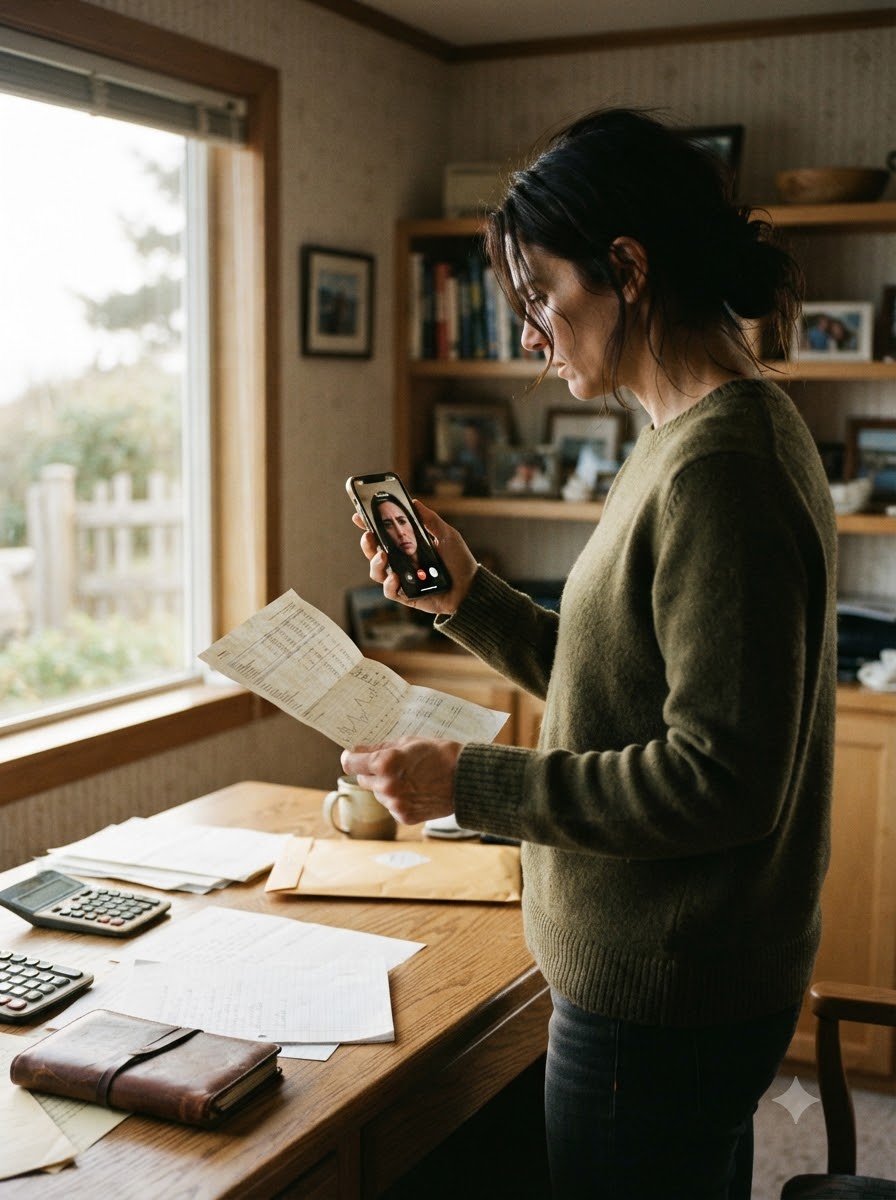
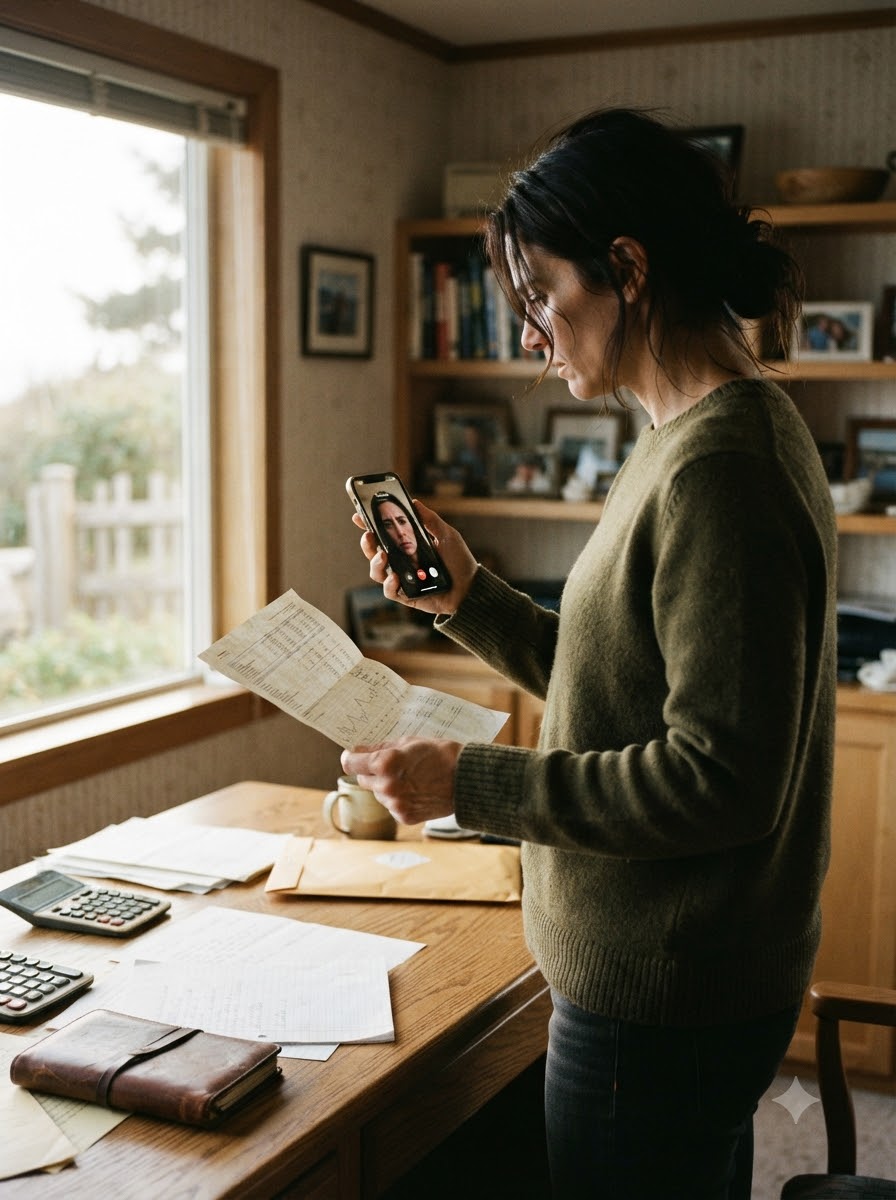
The message appeared while I was rinsing sand out of two coffee mugs.
Jessica had posted three champagne emojis in the family chat. Under them was a photograph of my beach house, taken from the dunes behind it, with a red banner across the image: AUCTION OPPORTUNITY.
“The bank finally took Mara’s place,” she wrote. “I’m buying it for $400,000. Don’t worry, I’ll save it for the family.”
My father replied before I had dried my hands.
“Wired you $200,000. Your mother and I are in.”
Then my mother wrote, “At least the property will finally do some good.”
Trevor, our younger brother, wanted to know whether he could put in fifty thousand and get first choice of a bedroom.
I stood at the sink, watching cold water run over my fingers.
Nobody asked me whether my house was for sale. Nobody even asked if I was all right.
They had accepted the version of my life they’d been telling one another for years: Mara left a good corporate job, moved to the coast, bought a house she couldn’t afford, and was about to lose everything.
Jessica sent me a private message a minute later.
“I know this must be embarrassing. You can still visit after I buy it, if you ask me first.”
The kitchen window looked out over the marsh. Beyond it, I could see a narrow strip of ocean through the sea oats. I had lived in that house for eight years. I knew which window rattled in a north wind and which floorboard would wake me if anyone came down the hall at night.
I did not answer Jessica.
Instead, I went to my office and opened the bottom drawer of my filing cabinet.
Inside was an envelope from Coastal Federal Bank. I had put it there three weeks earlier, after signing the last papers at its downtown branch. The letter confirmed what my banking app showed when I opened it again that morning.
Loan status: Paid in full.
Payment received: $1,200,000.
The amount looked strange even to me. For years I had paid the mortgage every month and imagined how it would feel to make the last payment. Then a company that used my coastal erosion models bought a long-term license to them. Between that contract and several years of careful saving, I finally had enough to pay off the loan early.
I hadn’t told my family. We could barely get through dinner without my father offering to help me “find a proper job.” I wanted a little time to enjoy the news without having to defend how I’d earned the money.
I pulled the bank letter from its envelope and read the last line again: Coastal Federal had released its lien. My house was mine outright.
Jessica was wrong about the auction. But the photograph bothered me.
It wasn’t a picture from an old family visit. I had taken it myself six months earlier for an insurance inspection. The dunes had been repaired since then, and a section of fencing visible in the image no longer existed. I had emailed that photo to the insurer and my bank. I had also sent it to Jessica when she asked what the storm had done to the property.
Before I could decide what to do, she added me to a shared folder called Beach House Purchase.
It contained the photograph, a list of renovations, and a floor plan on which she had marked bedrooms with family names. My office was labeled “Jessica’s suite.” The small room where I kept tide gauges and field samples was labeled “storage.”
There was also a PDF named Auction Notice.
I opened it.
Across the top was a Coastal Federal logo. Below it were my address, a date six weeks away, and a starting bid of $400,000. Near the bottom, the notice said that interested buyers should submit deposits directly to “family purchaser Jessica Vale” for a coordinated bid.
I read that line twice.
I had never seen an auction notice that told bidders to send money to another bidder. The logo looked convincing at first glance, but its colors were slightly off. There was no court file number, no trustee’s name, and no phone number for an auction company.
I saved a copy of the file. Then I saved screenshots of the family chat and Jessica’s private message.
By breakfast, Jessica had posted a picture of a kitchen with white stone counters and announced that she would replace my cabinets before Thanksgiving. Our mother praised her taste. Trevor asked whether he could bring friends for Labor Day once the sale closed.
I called my father.
“Did you really wire Jessica two hundred thousand dollars?”
“Yes,” he said. His tone sharpened at once. “She found a way to help you without making you ask.”
“Did you speak to the bank?”
“Jessica handled that.”
“Dad, did you see a notice anywhere other than the file she sent?”
He sighed. “Mara, I know this is hard. There’s no point pretending it isn’t happening.”
I looked at the letter on my desk. I wanted to tell him everything right then. But if I did, he might warn Jessica before I understood what she had done with his money.
“Ask her where she got the notice,” I said.
“She got it from the bank.”
“Please ask her yourself.”
He said he would. I knew from his voice that he wouldn’t.
I spent the next hour calling people who would give me answers. The county clerk confirmed there was no foreclosure case involving my address. The recorder’s office showed Coastal Federal’s lien release, recorded eighteen days earlier. I downloaded the record, including its date and instrument number.
Then I called the phone number on the auction notice. It rang to a voicemail box without a greeting. The contact email ended in coastal-federal-auctions.com. My mortgage statements used coastalfederal.com.
I printed the notice and laid it beside the genuine bank letter. The copied logo was blurry around the edges. Whoever made it had tried to match the bank’s stationery but hadn’t had the original artwork.
At eleven, my phone lit up with Jessica’s name.
“I saw you looking at the folder,” she said. “You’re welcome, by the way.”
“Where did the auction notice come from?”
“A contact.”
“What contact?”
“At the bank. He told me it was coming.”
I waited. Jessica hated silence. She filled it quickly.
“I made the calls, Mara. I found a buyer before strangers could get their hands on the place. Dad understands why this matters.”
“Dad sent you money.”
“It’s going toward the deposit. You don’t need to worry about that.”
“Has it gone anywhere else?”
“Why would you care? It isn’t your money.”
I gripped the edge of my desk. “Don’t contact me about my house again.”
She laughed once, without humor. “You can’t stop an auction because you don’t like the buyer.”
After we hung up, I called my attorney, Lena Ortiz. She had reviewed the licensing agreement that made my early payoff possible, and she knew exactly how I had paid the bank.
I emailed her the PDF and screenshots. Ten minutes later, she called.

More From This Author