STORY
Harper Hid Her Arm Under a Cardigan—Then the Kitchen Camera Played
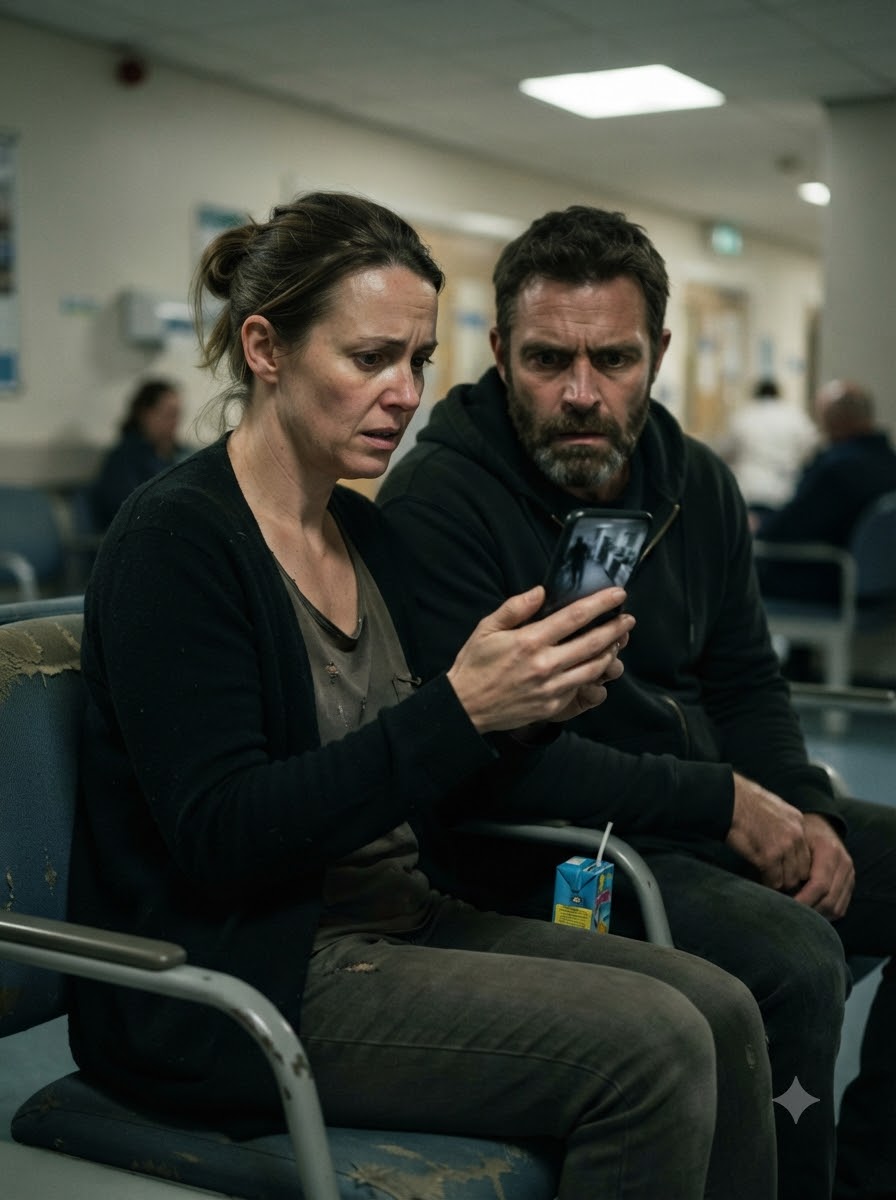
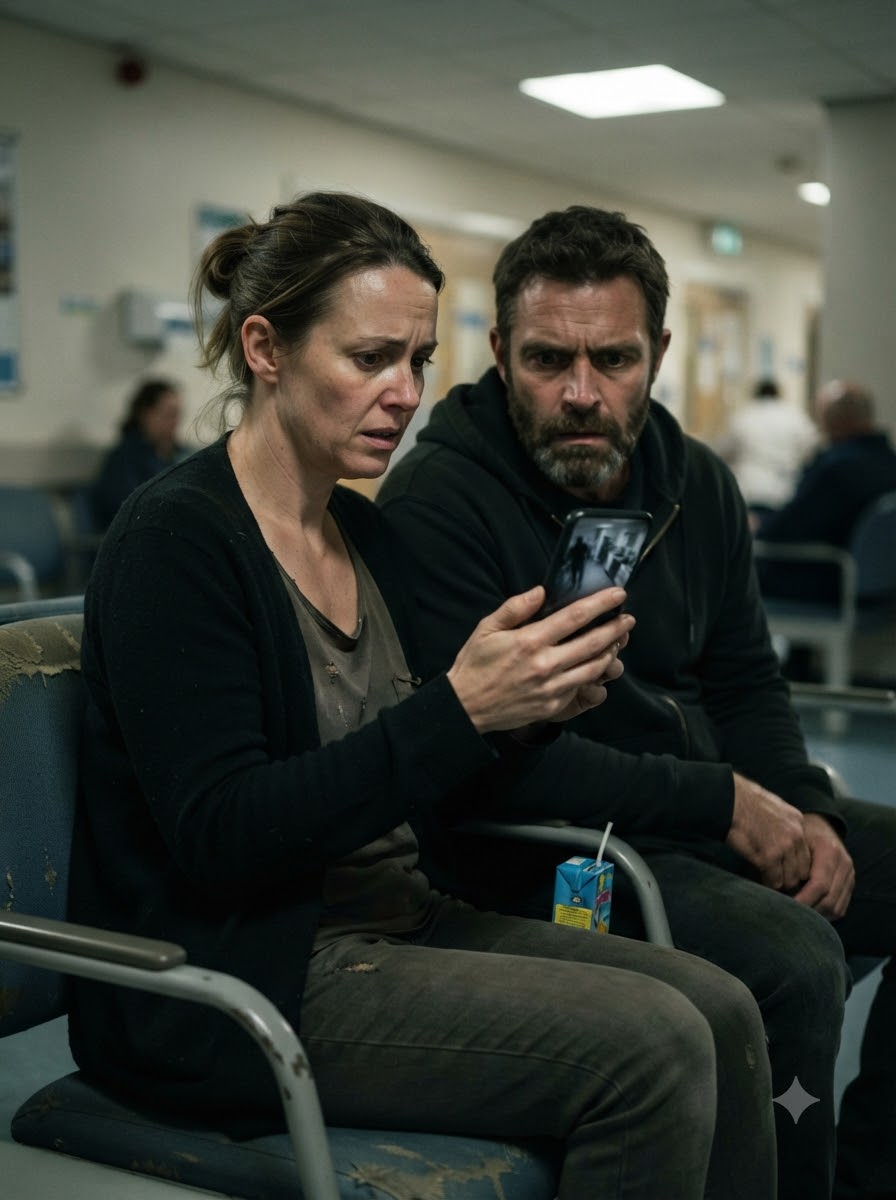
Tasha came through the sliding door with a pitcher of sangria just as my husband took the first photograph of Harper’s arm.
For a second, nobody moved. The burgers hissed on the grill. My brother, Daniel, stood with a spatula in his hand. Harper sat very still in a lawn chair, her cotton cardigan bunched above one elbow.
Then Tasha set down the pitcher so hard that red wine sloshed across the patio table.
“Get away from my kid.”
She lunged for Harper’s wrist. Caleb stepped between them before she could grab it.
“Don’t touch that arm,” he said.
That was the moment I knew our Fourth of July barbecue was over. I didn’t yet know that, by nightfall, my niece would be in a hospital bed and my brother would be asking me why I had ruined his marriage.
Ten minutes earlier, I had been carrying a bowl of watermelon out to the deck. It was ninety-five degrees, and Harper was the only person wearing long sleeves.
She had been wearing them all summer.
When Tasha went inside for more sangria, Harper caught the hem of my shirt.
“Auntie,” she whispered, “don’t touch my arm. Mommy’s curling iron fell on me three times.”
I looked at her face. She was five, with a streak of watermelon juice drying on her chin. She wasn’t crying. She seemed worried that I might be angry about the curling iron.
“Can you show me where?” I asked.
She shook her head and glanced toward the house.
So I called Caleb over. He was my husband, and he was also the chief pediatric trauma resident on call at County General that weekend. He had stopped by for lunch before an evening shift and still had his hospital ID clipped inside his pocket.
He crouched beside Harper’s chair and told her what he wanted to do before he touched her. She nodded when he asked if he could move the cuff of her cardigan.
Three narrow burns crossed her forearm in a straight, evenly spaced row. Near her wrist, a gauze pad hung from two loose pieces of tape. Beneath it was a blistered patch of skin, red and swollen at the edges.
Caleb’s voice stayed gentle. “Who put this bandage on?”
“Mommy Tasha.”
“Did a doctor look at it?”
Harper shook her head.
Caleb asked her if he could photograph the arm so a doctor at the hospital could see it. She said yes. He took two pictures, then called the Child Abuse Response Unit on speaker. He gave his name, his location, and what he had seen.
That was when Tasha came outside.
Now she stood on the other side of Caleb, her eyes fixed on his phone.
“You photographed my daughter without permission.”
“I’m a physician,” Caleb said. “She has an injury that needs care. Please give her some space.”
Tasha turned to Daniel. “Are you going to let them do this?”
My brother came off the grill, wiping his hands on a towel. “What’s going on?”
“Ask your wife,” I said.
Tasha looked at me with such open hatred that I nearly stepped back.
“It was an accident,” she said. “I was doing Harper’s hair, and she bumped the counter. I told you about it, Daniel.”
Daniel stared at the burns. His face changed. He had not seen them before; that much was clear. But instead of going to his daughter, he said, “You should have told me it was this bad.”
Tasha folded her arms. “She keeps picking at it.”
Harper pulled her sleeve down.
The woman on Caleb’s phone told us to have Harper evaluated right away. She said a report would be made and that the hospital team would take over the medical examination. Caleb put the phone away and took off his own watch, turning his attention to Harper as though the shouting had stopped.
“I need to look after this arm,” he told her. “Your aunt can come with us.”
Harper reached for my hand.
Tasha said she was coming too. Daniel said he would drive her. Neither of them spoke to Harper before they went inside for their keys.
On the way to County General, Harper sat in the back of my car and watched flags pass outside the window. Caleb had gone ahead in his own car so he could meet the team there. At one red light, Harper asked if her father would be mad because she had told us.
I wanted to promise her he wouldn’t be. I couldn’t.
“You did the right thing,” I said. “Your arm needs help.”
She looked down at the sleeve covering it. “Mommy Tasha said it would get better if I kept it clean.”
At the hospital, a nurse took Harper into a private room. Caleb stepped back from her care. He had been the first doctor to see the injuries, but he was family, and the hospital’s child-protection team needed to make its own assessment.
I sat with Harper while a pediatrician examined her. The gauze had stuck to the blister. Harper gripped my fingers as the nurse loosened it, then cried despite trying hard not to.
The doctor found that the skin around the burn was infected. Harper needed treatment that day. The three marks farther up her forearm were healing, but their size and placement concerned the doctor too. She documented each injury and called in a child-abuse pediatrician to examine Harper.
Tasha and Daniel arrived while we were still in the room. Tasha demanded to take Harper home. When the nurse said the examination wasn’t finished, Tasha announced that Caleb had put ideas in Harper’s head.
“I told him exactly how it happened,” she said. “You people are treating me like a criminal because he likes playing hero.”
The nurse asked Tasha to wait outside. Tasha refused until Daniel put a hand on her shoulder.
Harper watched them through the open doorway. She had gone quiet again.
A hospital social worker came in after the doctor. She asked Harper questions while I waited in the hall. I could see my niece through the glass, swinging her feet above the floor, talking to a woman who never rushed her.
I heard none of what she said.
Daniel stood at the end of the corridor, checking his phone. When I walked toward him, he turned the screen facedown.
“Is she going to be okay?” he asked.
“She has an infection.”
“Tasha said she cleaned it.”
“She needed a doctor.”
He rubbed his forehead. “I’ve been working late. I didn’t know.”
I believed he hadn’t seen the arm. I also remembered every time I had offered to pick Harper up from preschool and he had told me Tasha preferred to handle it.
Harper’s mother, Lena, had died in a car crash the previous October. Before that, Daniel had been the parent who cut the crusts off Harper’s sandwiches and called me to ask whether five-year-olds needed snow boots in November. After the funeral, he had seemed unable to make a decision about anything.
Tasha moved in by Christmas. They married in March.

More From This Author