STORY
Grey Claimed Oliver’s Estate—Then His Lawyer Played the Recording She Feared
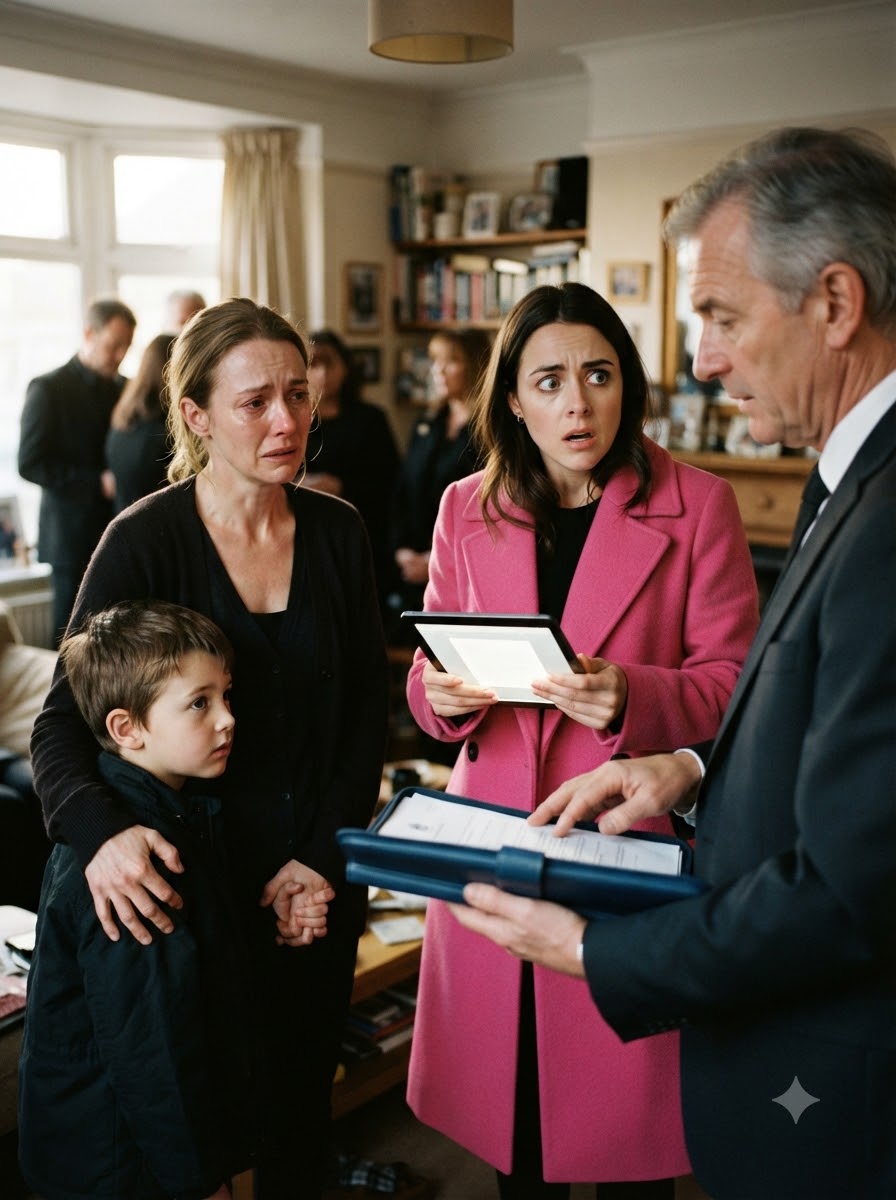
Daniel showed her the date the Northline account was opened. He asked when Oliver had given her the instruction and where he had been. She said she couldn’t remember. She said he had wanted to make a private gift and hadn’t wanted his partners interfering.
Her attorney asked for a break.
When they returned, he did most of the talking. He said Grey disputed the allegation that the request was unauthorized and would respond after reviewing the evidence. Daniel explained that the bank had blocked the transfer and that the estate’s attorneys had reported the attempted transaction. There would be an investigation outside that room. Grey’s account of Oliver’s instructions would have to stand beside the documents and the witnesses.
She looked at Priya then, as though Priya had betrayed her. Priya met her eyes.
“I called you from the hospital,” she said. “I left you a message that he wasn’t waking up.”
For the first time, Grey had no answer.
The months that followed were slower than that meeting. Grey contested the estate documents. The bank produced its records, the witnesses gave statements, and the signature examiner completed a formal report. The challenge failed. Grey later resolved the attempted-transfer case by agreement, accepting responsibility without a trial and paying restitution and penalties. She also gave up her claim to the house and the trust Oliver had set aside for her.
I learned that a satisfying answer can take a great deal of paperwork. I also learned how much work Oliver had done so the people he loved would not have to fight over his wishes.
The house was sold the following spring. Before it went on the market, my sons and I spent an afternoon there. My younger son, older and quieter than the boy who had once dreamed about its bedrooms, helped me carry boxes from the study.
My oldest found a photograph tucked inside one of Oliver’s books. It showed the three of us at my kitchen table years before, my sons bent over their schoolwork while Oliver listened to them argue. On the back, in his careful handwriting, he had written their names and the date.
“Can I keep this?” my son asked.
“Of course.”
He held it for a moment. Then he told me he still wanted to take the courthouse tour.
I called Daniel, and he took both boys the next week.
When they came home, they talked over each other through dinner: about the courtrooms, the people Daniel had introduced them to, and a story he had told about Oliver’s first disastrous argument before a judge. My oldest pinned a visitor’s badge above his desk.
Oliver had left them money, but he had also left them people who knew his stories and were willing to tell them. Watching my sons laugh at that table, I was grateful he had trusted me to help them understand the difference.

More From This Author