STORY
I Paid for Mom’s Nurse—Her Photo Frame Caught Brenda With the Deed
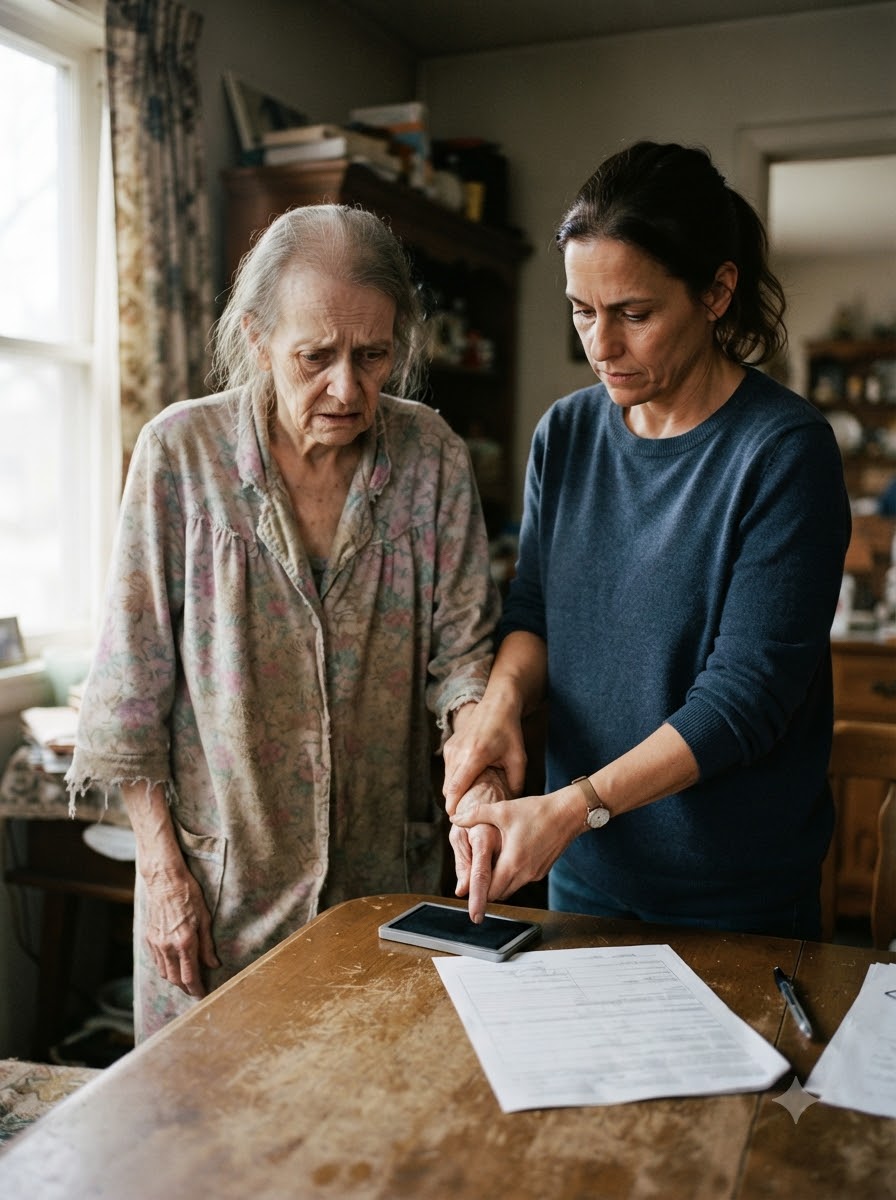
The detective took the box as evidence under a warrant he had brought with him. Inside were the original invoices, a stamp bearing Chesapeake Home Care’s name, and drafts of the consent letter with my copied signature positioned at different angles. Brenda said she had made the drafts for Victor to review. Victor said Brenda handled the paperwork.
They began blaming each other while standing three feet apart.
No one was arrested in Mom’s dining room that morning. I had imagined something more dramatic on the plane: handcuffs, an apology, a moment when Victor finally admitted what he had done. Instead, the detective told them not to contact Mom about the property, and they stood by the front window watching us leave.
The investigation took months. A court granted an emergency order blocking any transfer of the house, then appointed an independent guardian and conservator while Mom’s care and finances were reviewed. Victor and Brenda were ordered out.
Bank records showed that most of my transfers had paid their credit cards, car loan, and travel expenses. Investigators found no payments to a private nurse. A former cleaner confirmed she had come twice a month, usually while Mom stayed upstairs, but had never provided medical care.
The forged consent letter and the power of attorney became central to the criminal case. The closing agent cooperated and turned over his messages with Brenda. In one, she warned him not to mention the LLC arrangement in front of Mom because “it confuses her.” In another, Victor asked whether the sale could be completed before I arrived for a planned visit the following month.
Victor pleaded guilty to financial exploitation and forgery. Brenda pleaded guilty to financial exploitation and attempted forgery after her attorney saw the recording and the document drafts. The court ordered restitution, though the money came back slowly. Their lawyer negotiated a payment plan backed by the sale of their car and a lien on property they owned.
I never got all seventy-six thousand eight hundred dollars back. Mom did not lose her house.
For a while, I wanted to make that the whole ending. It was easier to talk about a blocked sale than about the mornings she woke frightened, or the way she hid crackers under her pillow at the care home because she believed lunch might be taken away.
Mrs. Bell began visiting every Wednesday. I changed my schedule and flew to Virginia twice a month while I arranged a transfer back east. When Mom could no longer safely live alone, we chose a small memory-care residence ten minutes from her house. The conservator rented the Colonial to a family with children, and the rent helped pay for Mom’s care.
On my first visit after the move, I found the digital frame on a shelf beside Mom’s bed. I had nearly thrown it away. Instead, I filled it with pictures of Dad, the garden, Mrs. Bell’s old terrier, and Mom holding me as a baby.
Mom tapped the glass when our photograph appeared.
“That’s my Annie,” she said.
“I know,” I told her.
She looked up at me, pleased to have gotten it right. I sat beside her until the picture changed, and then we watched it come around again.

More From This Author