STORY
They Hurt His Son—Then One Encrypted Call Changed Everything
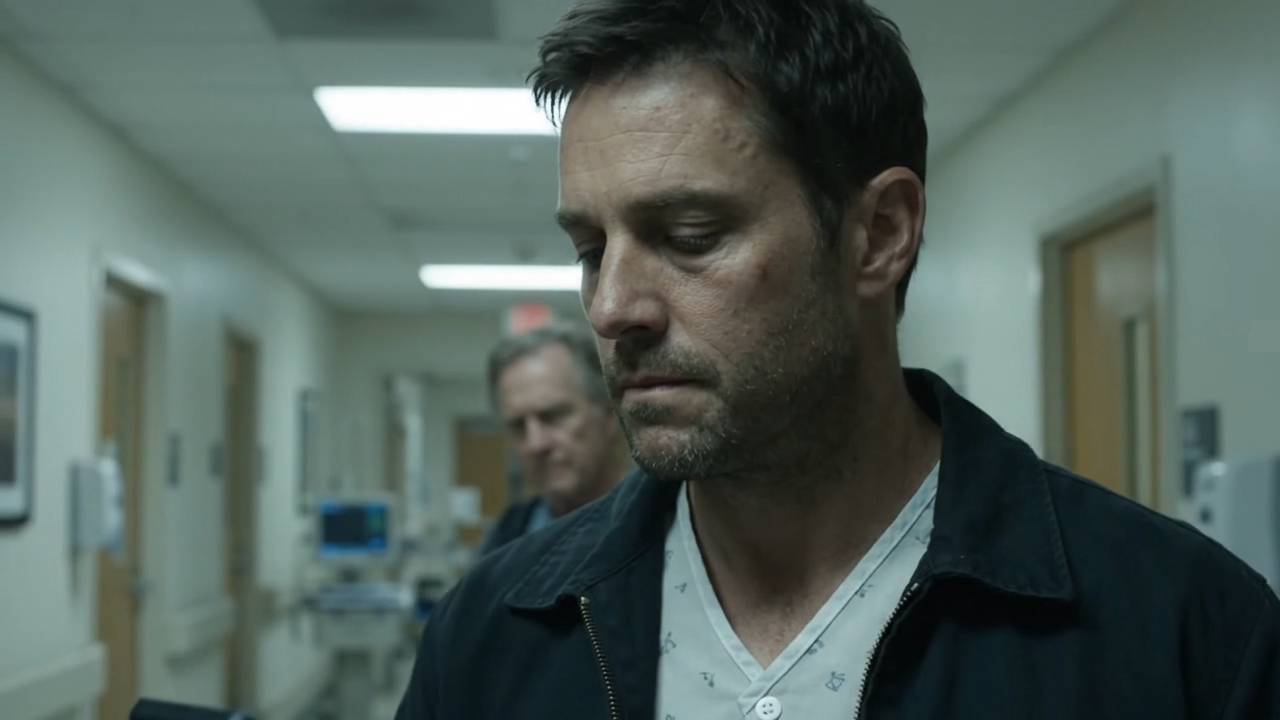
entered the street just after sunrise.
The grandfather stepped onto the porch wearing pressed trousers and a clean white shirt. He raised his hands as though the entire event were an inconvenience arranged to embarrass him.
Brian tried to leave through the backyard.
Scott locked himself in an upstairs bathroom and began deleting messages.
The deletion attempt failed. Their phones had already synchronized portions of the conversation to a shared tablet sitting on the kitchen counter.
Officers recovered Jake’s missing shoe from a trash bag beneath the sink.
They also found a damp towel, the disconnected home-security recorder, and a handwritten list of statements each family member was supposed to repeat.
Jake slipped.
No one held him.
Mrs. Patterson is confused.
Carter is dangerous.
The last line was underlined twice.
Christine’s father demanded to speak with the police chief. No chief arrived.
He demanded that I be arrested for threatening him. Detective Alvarez played part of our recorded conversation and asked him to identify the threat.
He could not.
By midmorning, all three men had been booked on charges connected to aggravated child abuse, unlawful restraint, witness intimidation, and evidence tampering. Christine was placed under investigation for failing to protect Jake and delaying medical care.
I remained at the hospital.
That surprised everyone, especially Christine’s father.
He had built his defense around the assumption that I would lose control.
Instead, I sat beside Jake while he slept.
When he woke, he asked whether Grandpa was coming to the hospital.
“No,” I said.
“Is Mom?”
I paused.
“She can’t see you right now.”
Jake stared at his bandaged hand.
“Is she mad at me?”
“No. You did nothing wrong.”
“She told me to stop talking back.”
“You were allowed to ask for me.”
His eyes filled again. “Grandpa said you wouldn’t come.”
I leaned closer.
“He was wrong.”
The criminal case moved faster than Christine’s family expected because the evidence had been preserved before their stories could settle into one version.
The original video showed the assault.
The second camera showed Brian attempting to retrieve Jake from Mrs. Patterson’s house.
The garage camera showed the driveway being washed.
The group message revealed coordination.
The home-security system contained deleted fragments showing the argument from another angle.
The hospital scans established the force of the injury.
Jake’s forensic interview matched details visible in recordings he had never watched.
And Christine’s father had described Jake running away during a call made before the police told him what witnesses had reported.
At the preliminary hearing, his attorney tried to turn the case toward me.
He asked about my former work. He used phrases like classified operations and tactical response. He suggested that my resources had frightened witnesses and contaminated evidence.
I answered every question calmly.
“Yes, I led recovery teams.”
“Yes, I contacted former colleagues.”
“No, they did not enter the property.”
“No, they did not interview the suspects.”
“Yes, every file was transferred through documented legal channels.”
The prosecutor then called the forensic specialist who had preserved Mrs. Patterson’s recording.
She explained the timestamps, verification hashes, cloud history, and chain of custody. The defense could not identify a single alteration.
My past had not contaminated the evidence.
It had prevented the evidence from disappearing.
When the driveway video played in court, Christine’s father stopped

More From This Author