STORY
My Husband Stole My C-Section Money—Then Mother Found His Hidden Policy
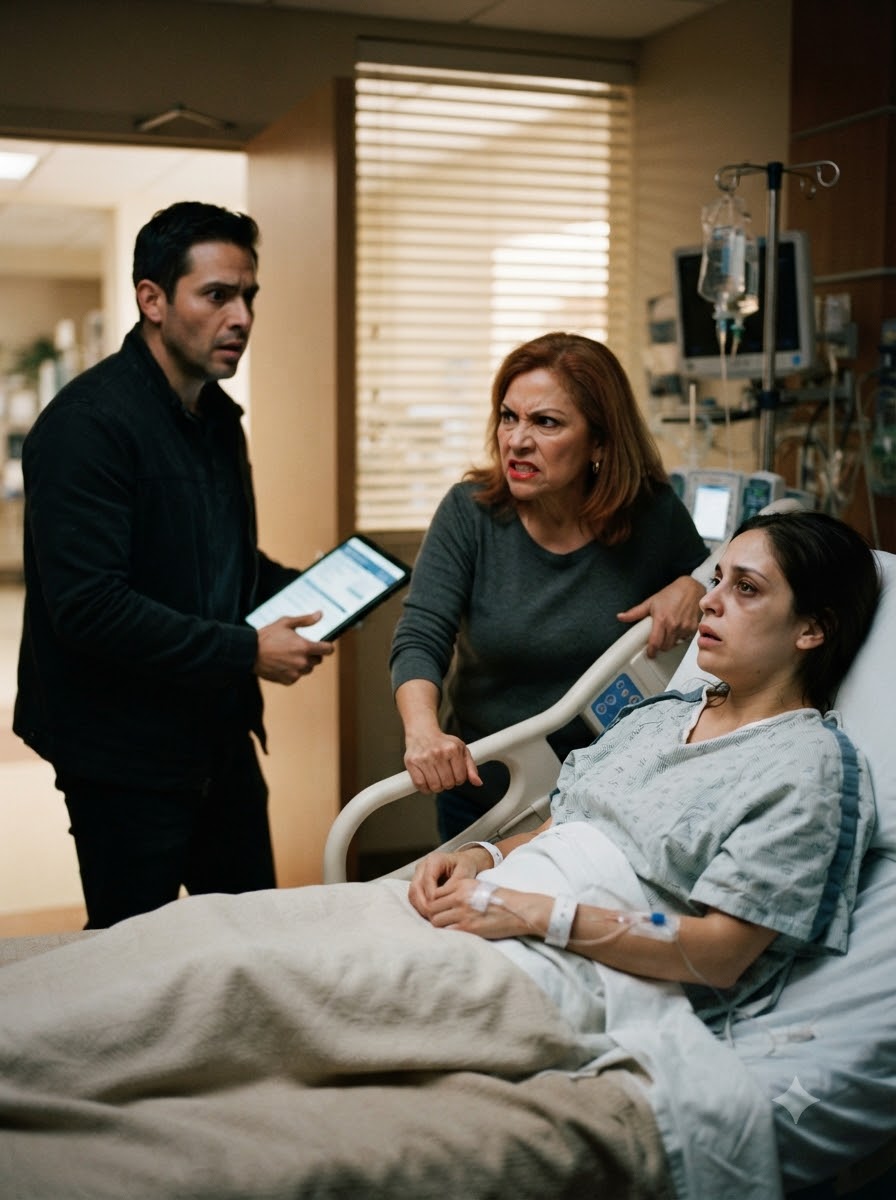
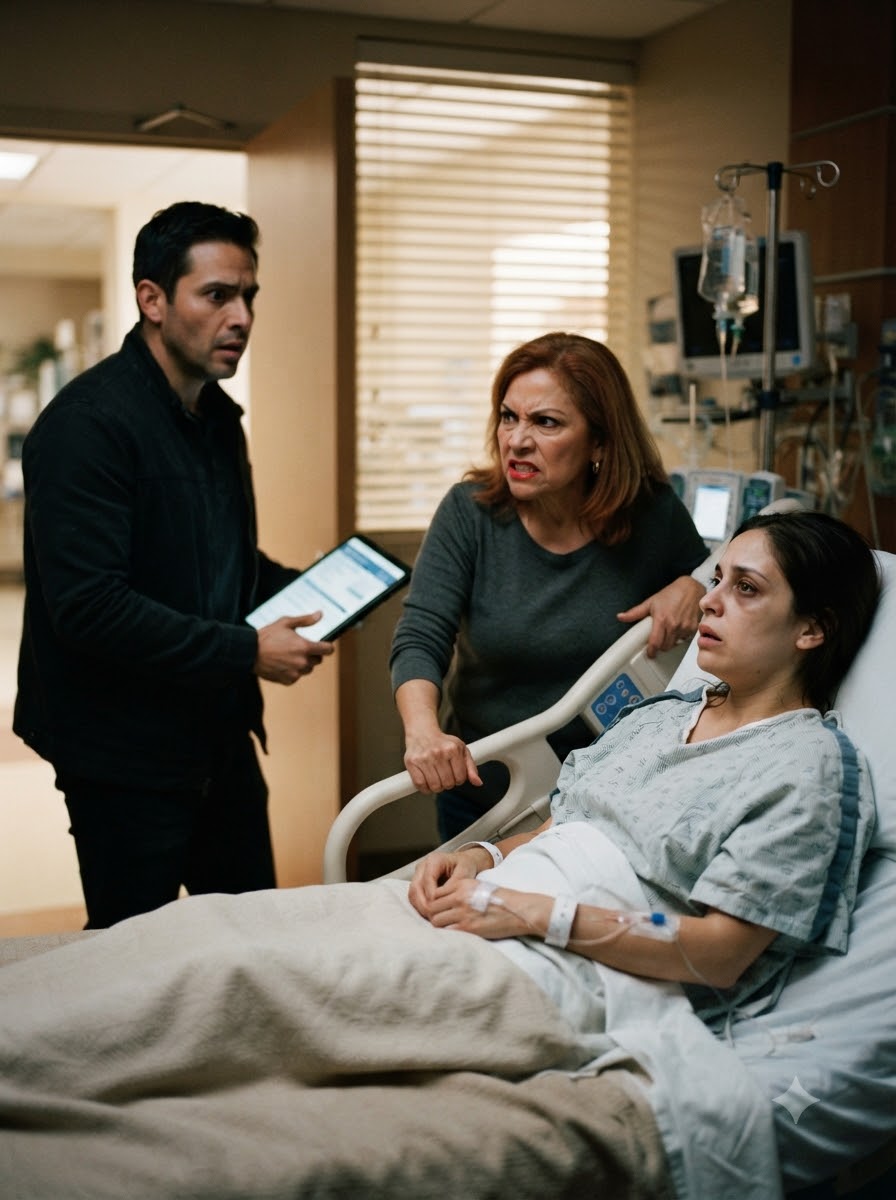
“Take something and hold the baby in, because my sister needs me more than you do.”
Those were the last words my husband said before he walked out of our house and left me on the nursery floor with my water breaking, blood spreading beneath me, and our unborn son fighting his way into the world.
My name is Mariana Torres. I was thirty-two years old, seven months into a high-risk pregnancy, and living in Houston with a man I had once believed would protect me from anything.
That night, I learned he was the danger.
The nursery was soft yellow, exactly the color I had chosen after spending three hours comparing paint samples. A white crib stood beneath the window. Tiny cotton onesies were folded in neat stacks. On the dresser sat a framed ultrasound image, the baby’s face turned toward the camera as if he already knew us.
I had imagined bringing him into that room.
I had never imagined collapsing there alone.
For months, I had saved every dollar I could for the surgery that would keep us alive.
At twenty-one weeks, my obstetrician had diagnosed me with placenta accreta. The placenta had attached too deeply to my uterus, creating a serious risk of catastrophic bleeding during delivery. I needed a scheduled cesarean at a hospital with specialists, an available blood bank, an intensive care unit, and surgeons prepared for an emergency hysterectomy if necessary.
My doctor had explained it twice to Alejandro.
“This cannot be treated like a normal birth,” she told him at our appointment. “Mariana needs to deliver in a facility equipped for massive transfusion and complex surgery.”
Alejandro had nodded solemnly.
He had even squeezed my hand.
But after we left the clinic, he complained about the cost.
“Doctors always make things sound worse than they are,” he said. “They profit from fear.”
I had not argued. I had simply worked harder.
I designed architectural plans and created three-dimensional renderings for construction companies. I worked from our dining room table, often until two in the morning, my ankles swollen and my fingers stiff around the mouse. I took rush projects from clients who paid quickly. I sold a camera, my grandmother’s silver bracelet, and the small sedan I had owned before marrying Alejandro.
Every deposit went into a separate medical account.
I called it the baby account, though it was really a survival account.
By the end, there was $24,000 in it.
The hospital required the final payment before my scheduled C-section the next morning. I had planned to transfer the money after dinner, then pack my bag and sleep for a few hours before we left.
Instead, I opened the account and saw a zero balance.
For several seconds, I assumed the bank’s website had malfunctioned.
I refreshed the page.
The balance remained the same.
$0.00.
My heart began beating so hard it hurt.
I clicked the transaction history.
There it was.
Outgoing wire transfer: $24,000.
Recipient: Daniella Rivas.
Date: that afternoon.
I stared at the name until the letters blurred.
Daniella was Alejandro’s younger sister. She had a talent for turning every crisis into someone else’s responsibility. She had borrowed money from their parents, lied to friends, maxed out credit cards, and once sold a laptop Alejandro had given her.
But she had never taken anything from me.
Not directly.
I screamed Alejandro’s name.
He appeared in the nursery doorway wearing a dark blue jacket and the silver watch I had bought him for our anniversary. His hair was combed neatly. His expression was irritated, not concerned.
“Where is the surgery money?” I demanded.
He looked at the laptop on the floor beside me.
“Mariana, lower your voice.”
“You transferred it.”
“Daniella needed it.”
I felt the room tilt.
“You took twenty-four thousand dollars from the account.”
“Our account,” he corrected.
“That money was for my surgery.”
“She had a serious problem.”
“What kind of problem is more serious than the baby and me dying tomorrow?”
He looked away for a moment.
“She owed people money.”
“What people?”
“Dangerous people.”
A strange, hollow laugh escaped me. “Daniella lost our medical money gambling?”
“She didn’t lose it. She owed it.”
“That is the same thing.”
“She was being threatened.”
I pushed myself up from the floor, using the edge of the crib. My belly felt heavy and hard, and a sharp pressure pulsed through my back.
“You knew what this money was for. You watched me work every night. You watched me sell my car. You came with me to the doctor.”
“You’re being dramatic.”
The pressure became pain.
I gripped the crib rail.
“Alejandro, call the hospital.”
He glanced at his watch.
“I have to go.”
“My surgery is in the morning.”
“Go to the emergency room.”
“They told us where I have to deliver.”
“They can’t turn you away.”
“They can transfer me if they can’t handle it,” I said, my voice shaking. “But I could bleed out before that happens.”
He sighed, as if I were making an unreasonable demand.
“Women have babies every day.”
Another pain seized my abdomen. I bent forward, gasping.
Warm fluid spread beneath my legs.
For one stunned second, neither of us moved.
Then I looked down.
“Alejandro,” I whispered. “My water broke.”
He took a step backward.
“I can’t deal with this right now.”
“I’m bleeding.”
“I need to make sure Daniella is safe.”
“Please call an ambulance.”
He picked up his keys.
“Take something to slow the contractions.”
My mouth fell open.
“What?”
“You have those pills from the doctor, don’t you?”
“They told me not to take anything without calling them.”
“Then call them.”
“Call an ambulance!”
His face hardened.
“I’m not missing this because you’re panicking.”
“I’m not panicking. The baby is coming.”
He walked toward the hall.
I crawled after him, one hand pressed beneath my stomach.
“Alejandro, please.”
He turned at the front door.
“Order an Uber if it’s that urgent.”
Then he left.
The lock clicked.
I remained on the floor, listening to his footsteps fade down the driveway.
A contraction tore through me so violently that I screamed. My phone lay on the dresser, six feet away. I tried to stand, failed, and pulled myself across the carpet, leaving a wet trail behind me.
I called 911.
Then I called my mother.
She answered on the second ring.
“Mariana?”
“Mom,” I gasped. “He took the money. The surgery money. He sent it to Daniella. My water broke. I’m bleeding.”
There was a pause.
My mother, Beatrice Alcazar, was a corporate attorney whose name made executives sit straighter and insurance companies return calls. She had represented banks, developers, hospitals, and people who believed money placed them beyond consequences.
When she spoke, her voice was quiet.
“Where are you?”
“At home.”
“Do not move. I have your location. A private ambulance is on the way.”
“I already called 911.”
“Good. Stay on the line with me.”
Another contraction began.
“I’m scared.”
“I know.”
“He left me.”
“I know.”
“I don’t think I can do this.”
Her voice changed then, becoming the voice I remembered from childhood—the one that had steadied me during storms, fevers, and nightmares.

More From This Author