STORY
A Tycoon Left Me One Million Pesos—Then Hotel Footage Exposed My Uncle
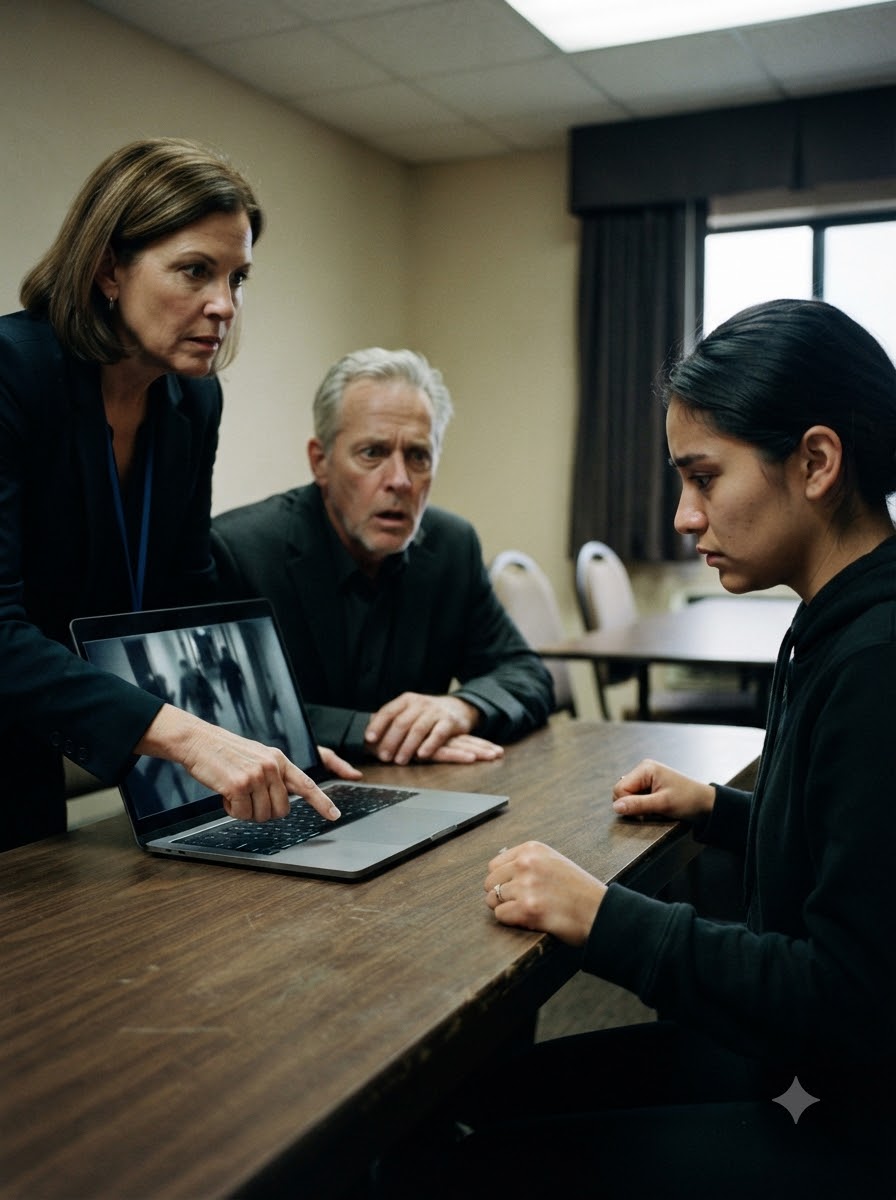
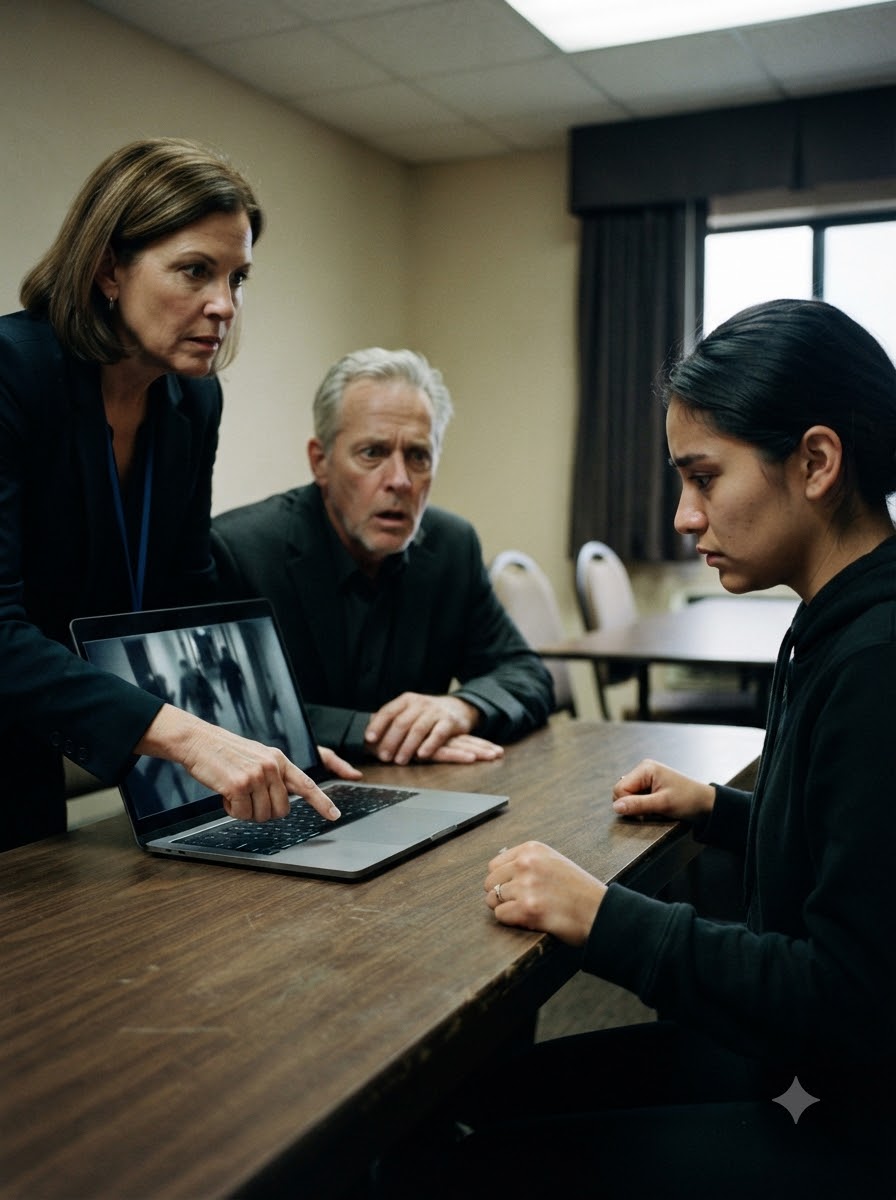
Elena Cruz smelled burning paper before she saw the flames.
She dropped her handbag on the kitchen floor and ran toward the patio of the apartment she shared with her husband. Daniel stood over the barbecue grill, feeding documents into a blue-orange fire.
For one stunned second, she recognized nothing.
Then a half-burned sheet lifted in the heat.
On it was the seal of the hotel on Paseo de la Reforma.
“Elena,” Daniel said, stepping between her and the grill. “You weren’t supposed to come home yet.”
She shoved past him and snatched at the page. The corner burned her fingers, but she held on long enough to read the date.
October 14.
Seven years earlier.
The night that had divided her life into before and after.
She turned to him slowly. “Where did you get this?”
Daniel’s expression changed. The warm, patient face she had trusted for almost four years disappeared.
“Your mother kept more than you told me.”
“My mother?”
“She had the hotel receipt. The envelope too.”
Elena stared at the fire. Inside it, thick cream-colored paper curled into ash.
The original note.
Consider it fate. Do not look for me.
She had hidden it at her parents’ house in Oaxaca because she could not bear to keep it near her, yet could not bring herself to destroy it.
Daniel gripped her wrist.
“Sign these,” he said, pulling a folded document from his back pocket. “Then this ends quietly.”
She read the first line.
It was a waiver surrendering any claim she might have against Corporativo Valdés and its subsidiaries.
Her eyes rose to his.
Daniel had told her that he was a logistics consultant. He had said his mother’s surname was Rivas and that he had never known his father.
Now she noticed something she should have seen years ago: the sharp line of his nose, the gray flecks in his dark eyes, the stillness he used when he was lying.
The man in the hotel had possessed that same stillness.
“Who are you?” she whispered.
Daniel tightened his fingers until her bones hurt.
“Someone who tried to protect you from your own greed.”
He reached for her hand, intending to force the pen between her fingers.
Elena drove her knee into his thigh and twisted away. He struck the patio table, cursing. She ran for the front door, but he caught her hair.
Her head snapped backward.
“Your mother is already frightened,” he hissed. “Don’t make this worse for her. Sign, take what we offer, and go back to pretending you earned your life.”
The insult struck deeper than his hand.
Elena grabbed the heavy ceramic bowl from the entry table and smashed it against the wall beside his face. Daniel flinched, loosening his grip.
She escaped barefoot, leaving her bag, shoes, and marriage behind.
At the police station, the officer photographed the bruises on her wrist and neck. Elena filed a report, but when she mentioned the Valdés name, his pen paused.
Corporativo Valdés owned hotels, construction companies, highways, and enough influence to make complaints vanish.
Elena called her younger brother.
Mateo answered on the first ring.
“Where is Mamá?”
There was a silence.
“At the clinic,” he said. “Someone broke into the house last night. They pushed her down.”
Elena closed her eyes.
“Did they take anything?”
“No money. No jewelry. Just the metal box under her bed.”
The box containing the hotel note, the receipt, and the few remaining bands from the million pesos.
Daniel had not only married her under false pretenses. He had sent men into her mother’s home.
By sunrise, Elena was on a bus to Oaxaca.
Her mother, Jacinta, had a fractured wrist and six stitches above her eyebrow. Even from the clinic bed, she tried to minimize it.
“I slipped,” she insisted.
“Mamá, Mateo told me.”
Jacinta looked toward the door as though someone might be listening.
“They asked about the envelope,” she admitted. “They knew everything. Your university. The hotel. Daniel.”
Elena sat beside her.
“Why did you keep the receipt?”
“Because the money frightened me.”
Seven years earlier, Elena had arrived home from Mexico City shaking, carrying one million pesos in a hotel laundry bag.
At first, Jacinta had refused to touch it.
Her daughter had been a third-year economics student at UNAM, surviving on coffee-shop wages, scholarships, and tortillas with salt. Her parents’ corn harvest had failed twice. Mateo was close to leaving high school because they could not afford transportation.
The money could save all of them.
It could also destroy Elena from within.
She had remembered fragments of that night: her friend Marisol insisting she attend a birthday celebration in Polanco, tequila appearing in front of her, the room tilting, a man catching her before she fell.
Then the hotel.
White sheets. A torn blouse. A distinguished older man asleep in an armchair near the window.
Elena had woken in panic. The man opened his eyes and told her she was safe, but shame drowned out his words.
She fled after finding the envelope.
For years, she assumed the worst.
She used the money carefully. She paid university debts, repaired her parents’ roof, kept Mateo in school, and invested the rest. She graduated with honors and found work at a financial firm.
But every achievement felt shadowed by the question of what had happened in that room.
Daniel entered her life three years later. He was gentle when she told him the story. He said the unknown man was a monster.
Now Elena understood that his sympathy had been surveillance.
Jacinta reached beneath her clinic pillow and pulled out a small brass key.
“The men found the box,” she said, “but not everything.”
Behind a loose adobe brick in the family kitchen, Elena found a plastic bag wrapped in cloth. Inside were two objects.
The first was an old photograph of her father, Tomás Cruz, standing beside a black Mercedes.
The second was a silver voice recorder.
Elena stared at her mother.
“Papá was a farmer.”
“He became one,” Jacinta said. “Before that, he was an accountant in Mexico City. His real name was Rafael Serrano.”
The first revelation left Elena unable to speak.
Her father had not been born in Oaxaca. He had fled there shortly before her birth and taken his mother’s surname.
Jacinta pressed play on the recorder.
Static filled the kitchen. Then came her father’s voice, younger but unmistakable.
“If anything happens to me, Adrián Valdés is responsible. I found false contracts, shell companies, and land purchases made with pension funds. Half the company is legally mine, but Adrián altered the original incorporation records. He says nobody will believe an accountant from nowhere.”
Another voice answered.
A woman.
“Give me the ledger, Rafael. I can make sure Elena never lacks anything.”
Jacinta stopped the recording.
“Who is she?” Elena asked.
“Beatriz Valdés. Adrián’s wife.”
The second object hidden in the cloth was a memory card. Mateo copied it onto his laptop.
It contained photographs of ledgers, incorporation agreements, and share certificates naming Rafael Serrano as owner of forty-nine percent of the company that later became Corporativo Valdés.
There was also a letter addressed to Elena.

More From This Author