STORY
My Daughter Fought to Breathe—Then My Family Used Her Hospital Stay Against Me
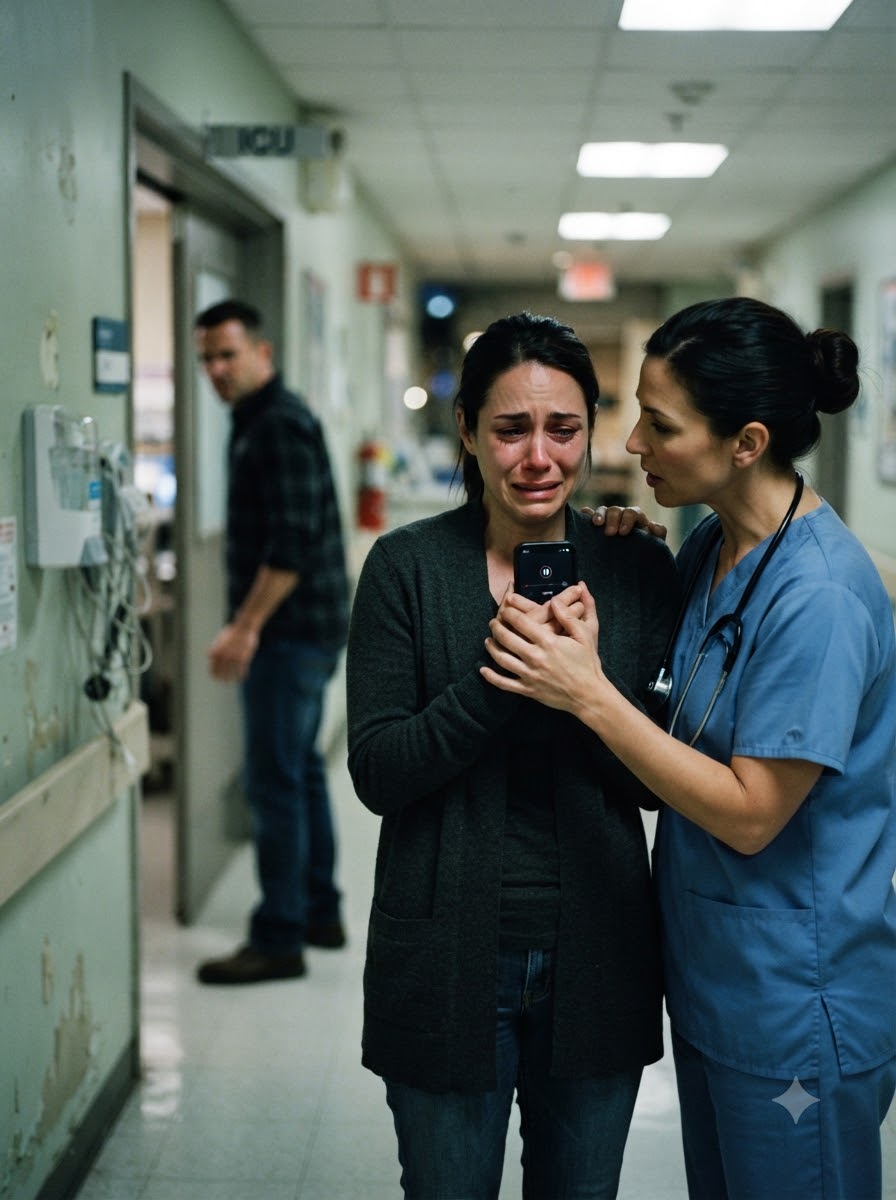
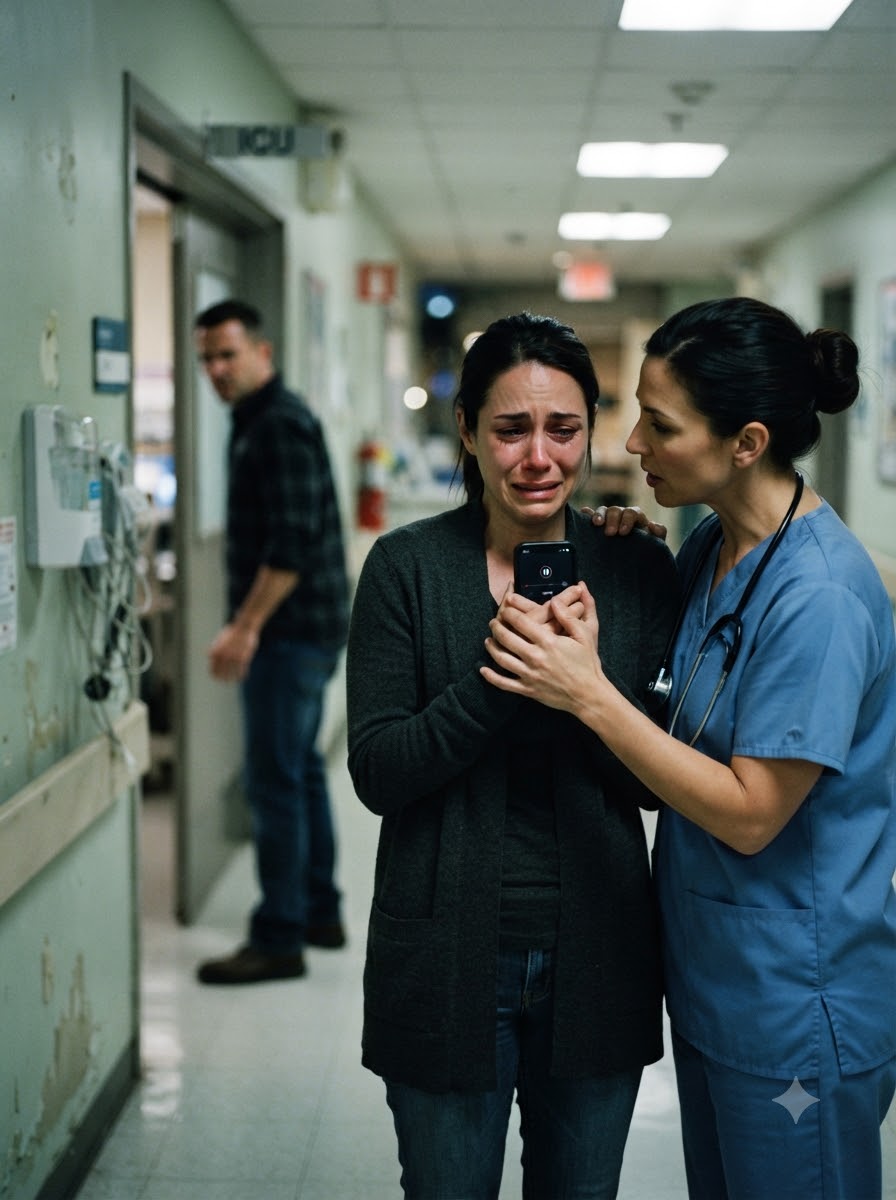
I will never forget the sound of those machines.
Slow.
Steady.
Cold.
Each beep came from somewhere beside my four-year-old daughter’s bed, but every one of them seemed to strike directly against my ribs.
Layla lay beneath a thin hospital blanket, too small for the wires attached to her chest. An oxygen mask covered half her face. Her dark curls were damp against her forehead, and her tiny hand rested inside mine.
Pneumonia had become the word the doctors used.
To me, it sounded like fear.
It sounded like two sleepless nights, cold coffee, and the terrible knowledge that the person you love most in the world is struggling for every breath.
I had texted my mother, father, and brother Jason the moment the emergency room admitted Layla to the ICU.
Layla is very sick.
We’re at St. Catherine’s.
The doctors are worried.
Please come.
I sent the messages at 9:14 that night.
By midnight, nobody had answered.
By morning, nobody had called.
I kept making excuses for them. My mother might have been asleep. My father might not have seen his phone. Jason and his fiancée, Melissa, were probably busy with wedding plans.
But then the hours became a full day.
Then another night.
The hospital’s family waiting room filled with strangers. Nurses brought blankets to other parents. Grandparents arrived carrying bags. A woman in a purple coat slept in a chair beside her grandson.
No one from my family came through the doors.
The nurse assigned to Layla, a kind woman named Priya, noticed me staring at the entrance.
“Is there someone we can call?” she asked.
“There should be,” I said.
My voice sounded strange. Thin. Almost embarrassed.
I had a mother who lived twenty minutes away. A father who had retired three years earlier. A brother who called me whenever he needed money, advice, or a favor.
I had given Jason twelve hundred dollars the month before when he claimed the wedding venue had charged an unexpected deposit. I had not asked when he would repay me. I had not even told my husband, Daniel, because I knew he would ask why I kept rescuing people who never rescued us.
That was what family did, I had told myself.
You helped when someone needed you.
You didn’t keep score.
At 2:37 on the second afternoon, Layla’s breathing finally eased enough for the doctor to reduce the oxygen. She fell into a deeper sleep, her fingers still curled around mine.
For the first time since we arrived, I let myself close my eyes.
My phone buzzed.
My heart lifted before I even looked at it.
I thought it might be my mother apologizing. Maybe she was in the parking lot. Maybe she had finally understood how serious this was.
The message was from her.
Can you help with Jason’s honeymoon fund? $5,000 should do. We need it by Friday.
I read it three times.
There was no question about Layla.
No mention of the hospital.
No apology.
Just five thousand dollars for a honeymoon while my daughter lay attached to machines.
Something inside me went quiet.
I turned off my phone.
That night, I watched Layla sleep beneath the pale hospital lights. Her face looked peaceful, but I knew how quickly that could change. I knew what it felt like to stand helplessly beside a child whose lungs could not keep up.
My family had known all of that.
They had read my messages.
They had chosen not to come.
Then my mother had remembered me only because Jason wanted a beach vacation.
I made the decision without drama. I did not cry. I did not send a final message.
I simply stopped being available.
The next morning, when I turned my phone back on, there were sixteen missed calls from my father.
For one foolish second, my heart softened.
Maybe someone had told him Layla had worsened. Maybe he was frightened. Maybe he was calling to ask where we were.
The phone rang again.
I answered.
“Hello?”
“You finally decided to pick up,” my father snapped.
I looked at Layla. Her eyes were closed. A monitor traced the rhythm of her breathing.
“Dad, I’m at the hospital.”
“We know where you are. Your mother told us.”
“Then why didn’t you ask how she’s doing?”
“Don’t start with that,” he said. “You’re making everything about yourself.”
I thought I had misheard him.
“My daughter is in the ICU.”
“And your brother is getting married.”
“Those things are not equal.”
“No, they aren’t,” he said. “Jason’s situation is much more immediate. The honeymoon payment is due this week.”
I stood so quickly the chair scraped the floor.
“What?”
“Your mother asked you for five thousand dollars. You don’t get to punish everyone because you’re upset.”
“Punish you?”
“You’ve embarrassed your mother. She had to tell Melissa’s parents that the money was delayed because you’re being difficult.”
My hand tightened around the phone.
“I am not giving Jason five thousand dollars.”
“You can afford it.”
“No.”
“You’ve always been selfish when it matters.”
I stared at the IV bag beside Layla’s bed. The clear liquid dripped slowly through the tube.
My father lowered his voice, as though he were offering reasonable advice.
“Your mother said you might be confused because of the stress. So I’ll make this simple. We need your Social Security number for a loan application. Just send it to me.”
The hospital room seemed to shrink.
“What loan application?”
“For Jason.”
“Why would he need my Social Security number?”
“It’s a family loan. We’re putting several people on it.”
“I am not signing anything.”
“You don’t have to sign anything. We just need the number.”
“No.”
His voice hardened.
“Your credit is better than Jason’s. This is the least you can do after everything your mother and I have done for you.”
I looked at my daughter, then at the phone.
My father was not calling because he cared.
He was calling because the honeymoon fund had failed, and they had moved to the next solution.
“I’m hanging up now,” I said.
“You do that, and don’t expect this family to forget it.”
“I hope you don’t.”
I ended the call.
For several minutes, I stood frozen beside Layla’s bed.
Then I remembered something.
Three weeks earlier, my mother had asked me to send a copy of my driver’s license. She said she needed it to add me to a family storage unit because she was clearing out my grandmother’s belongings.
I had taken photographs of both sides and sent them without thinking.
A week after that, my father had asked whether my address was still the same. He claimed he was updating his emergency contact list.
I had answered him while driving to work.
My stomach turned.
I called Daniel.
He answered on the first ring.
“How is Layla?”
“Stable,” I said. “But I need you to check something.”
He listened while I explained the texts, the request for my Social Security number, and the questions my parents had asked.
“Don’t send them anything,” he said.
“I know.”
“Call your bank. Freeze your credit. I’ll come to the hospital and bring the laptop.”

More From This Author