STORY
My Daughter-in-Law Canceled My Birthday—Then I Found Her Plan for My House
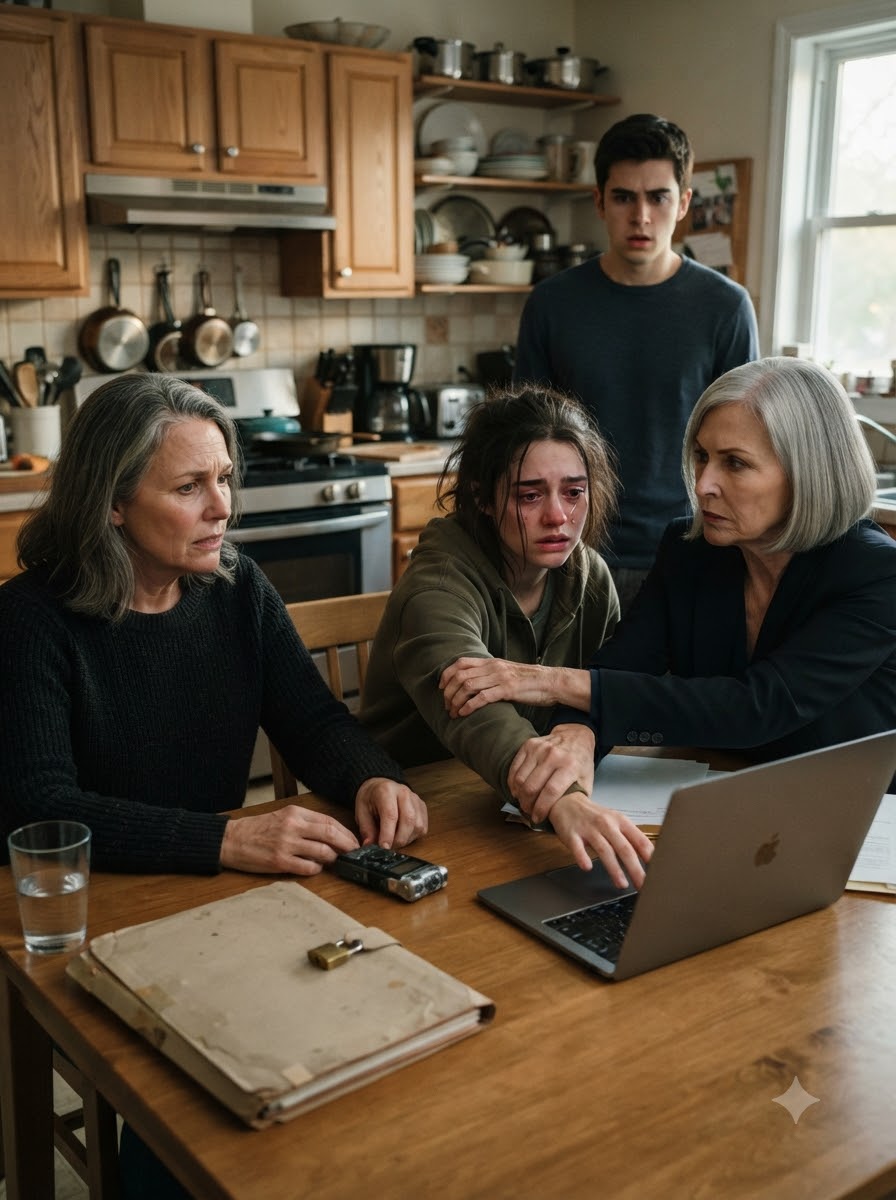
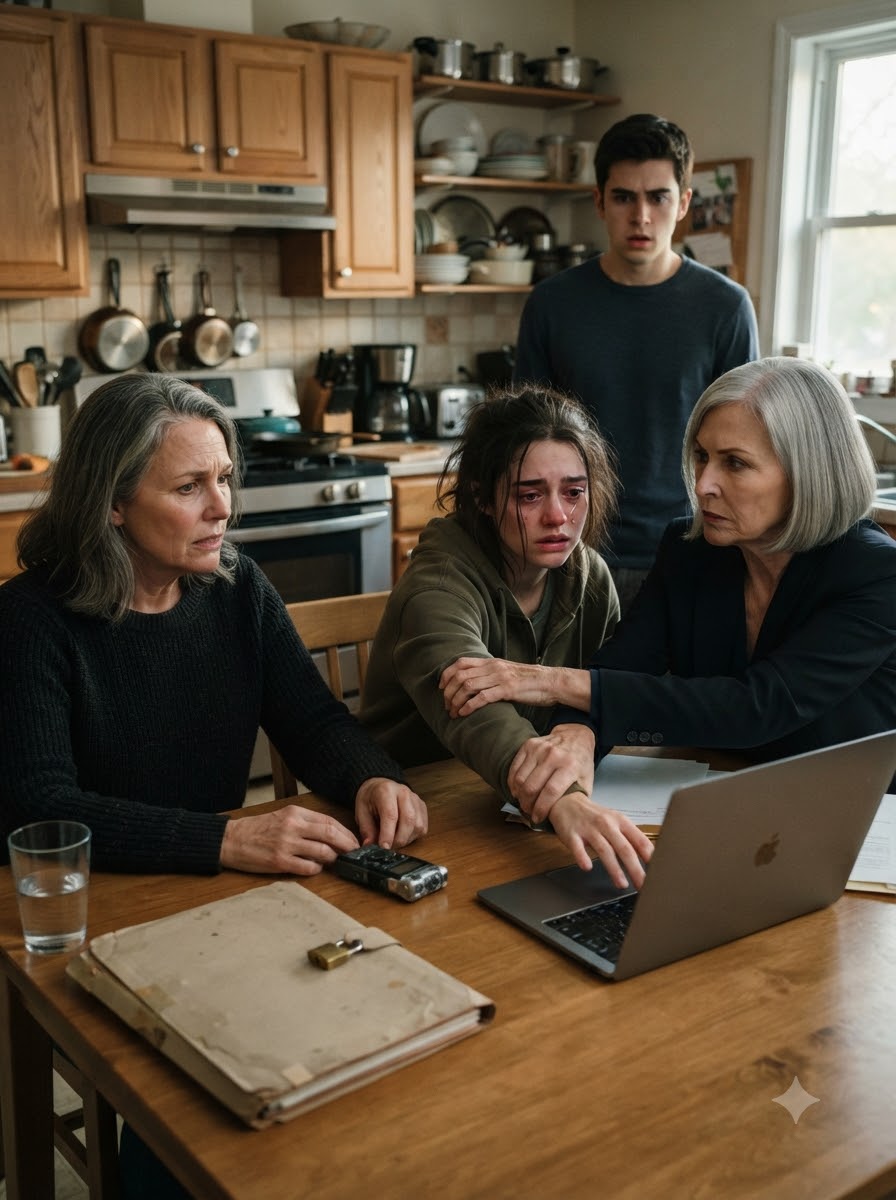
The day before my sixty-fifth birthday, my daughter-in-law canceled my party in my own house.
Not postponed. Not moved. Canceled.
I was rinsing strawberries at the kitchen sink when Brooke walked in wearing cream-colored leggings and the expression of someone who had rehearsed bad news in the mirror.
“Eleanor,” she said, “we need to talk about tomorrow.”
I shut off the faucet.
“The party?”
She pressed her lips together.
“My mother isn’t comfortable with a big gathering here.”
I glanced toward the doorway.
My son, Julian, stood there with his arms folded, staring at the floor.
That was when I understood this was not Brooke’s idea alone.
“Your mother isn’t comfortable?” I asked.
“She’s been overwhelmed lately,” Brooke said. “And with her staying here this weekend, we thought it would be better to keep things quiet.”
I looked at Julian.
He still wouldn’t meet my eyes.
“This is my birthday,” I said.
“I know, Mom,” he said. “We can do brunch next week.”
“Next week?”
“It’s not a big deal.”
The words landed harder than Brooke’s cancellation.
Not a big deal.
I had ordered a cake from the bakery on Main Street. Three women I had worked with at the hospital were coming. My neighbor Marlene was bringing lemon bars. I had washed the linen napkins Robert and I had bought during our anniversary trip to Vermont.
For the first time since my husband died, I had allowed myself to look forward to something.
Brooke walked to the counter and picked up one of the invitations.
“You shouldn’t take this personally,” she said. “We’re just trying to protect the peace.”
“The peace?”
“Our family has been under a lot of pressure.”
I looked around the kitchen.
This was the kitchen Robert and I had remodeled twenty-two years earlier. He had installed the cabinets himself, measured one of them twice, and still cut the panel wrong because he had been laughing at something I said.
This was where Julian had done homework, where I had packed his lunches, where Robert had taught him to make pancakes.
Now Brooke had moved my mugs to another cabinet because the old arrangement “made no sense.” She had taken my copper pans off the wall because they “looked cluttered.” She had turned my sewing room into a storage area for packages, yoga mats, and unopened boxes.
Every change had been temporary.
Temporary had become three years.
Three years since Julian, Brooke, and their two children had moved into my house after Brooke lost her job and their apartment lease ended.
“Just until we get back on our feet,” Julian had promised.
Then Robert died unexpectedly from a stroke.
I was grieving, and my son told me they could help me through it.
Instead, they filled every room.
They lived without paying rent. I paid the utilities, property taxes, insurance, and repairs. I put fifteen hundred dollars a month into a household account because Julian said it kept expenses organized.
I cooked most mornings. I bought groceries. I picked up prescriptions. I waited for delivery drivers. I folded children’s clothes that had been left in baskets for days.
Somewhere along the way, I had stopped being the homeowner.
I had become staff with a bedroom.
I folded the dish towel in my hand.
“All right,” I said.
Brooke blinked. “All right?”
“If tomorrow is inconvenient, we won’t have the party.”
The relief on Julian’s face was immediate.
“Thanks, Mom,” he said. “I knew you’d understand.”
That night, I called Marlene and canceled dinner. I canceled the cake. I put the strawberries in a bowl and covered them.
Then I sat alone at the kitchen table and listened to my family move around upstairs.
At eleven, I opened my laptop.
The first thing I did was cancel the automatic transfer to the household account.
The second was to download twelve months of bank statements.
The third was to call my attorney.
Her name was Patricia Sloan. Robert and I had used her for our wills and the trust connected to the house. I had not spoken to her since Robert’s funeral.
She answered on the second ring.
“Patricia, I need to ask you something,” I said. “Can someone who lives in my house claim ownership of it?”
“Not ordinarily,” she replied. “Why?”
I told her about the canceled birthday. I told her about the money, the family’s living arrangements, and the way Brooke had begun making decisions about rooms and repairs without asking me.
Patricia was quiet for a moment.
“Do you still have the original deed?”
“Yes.”
“Find it. Also gather every document connected to the house, every payment you’ve made, and any messages where Julian or Brooke described the arrangement as temporary.”
“Why?”
“Because people sometimes confuse generosity with permission. And sometimes they deliberately encourage that confusion.”
The following morning, I made coffee only for myself.
Julian came downstairs at seven-thirty.
“Is there coffee?” he asked.
“Yes.”
He looked toward the counter.
There were no bagels, no sliced fruit, no breakfast casserole.
“Oh,” he said.
Brooke appeared a few minutes later.
“Did we run out of groceries?”
“I didn’t buy any.”
She gave a small laugh, waiting for me to smile.
I didn’t.
At noon, Brooke called from the grocery store.
“Eleanor, my card was declined.”
“I’m sorry to hear that.”
“Did something happen to the household account?”
“Yes.”
“What happened?”
“I stopped funding it.”
There was a silence.
“That money pays for things we all use.”
“That money paid for things you used,” I said. “There’s a difference.”
“You can’t just do this without warning.”
“I gave you three years.”
Her voice sharpened.
“Julian said you were going through a phase because of your birthday.”
“My birthday is not the problem.”
“What is that supposed to mean?”
I looked through the kitchen window.
Brooke’s mother was walking through my garden, touching the rosebushes Robert had planted. She had arrived that morning with two suitcases and an air of permanence.
“It means I remembered whose household this is,” I said.
That evening, Brooke confronted me in the kitchen.
Julian followed her.
“You stopped the transfer,” he said.
“I did.”
“Mom, come on.”
“No. You come on.”
He stopped.
I had never spoken to him that way. I had softened every disappointment so he wouldn’t feel guilty. I had accepted every excuse because I believed that protecting my son from consequences was another form of love.
It wasn’t.
It was only another way of keeping him helpless.
Brooke crossed her arms.
“You’re making everyone uncomfortable.”
“Living in someone else’s home without noticing them usually is.”
Her cheeks reddened.
Then her mother called from upstairs.
“Brooke? Where are the extra towels?”
Brooke turned toward the ceiling.
I felt something inside me settle.
Her mother had been in my house for less than a day and was already asking where things were kept.
I went upstairs.
My old sewing room was filled with her mother’s belongings. Garment bags hung from the closet door. A rolling suitcase sat beside the window. My sewing table had been pushed against the wall beneath a stack of unopened packages.
One of those packages had my name on it.
I picked it up.

More From This Author