STORY
My Daughter Told Me to Disappear—Diego Found My Name on Loan Papers
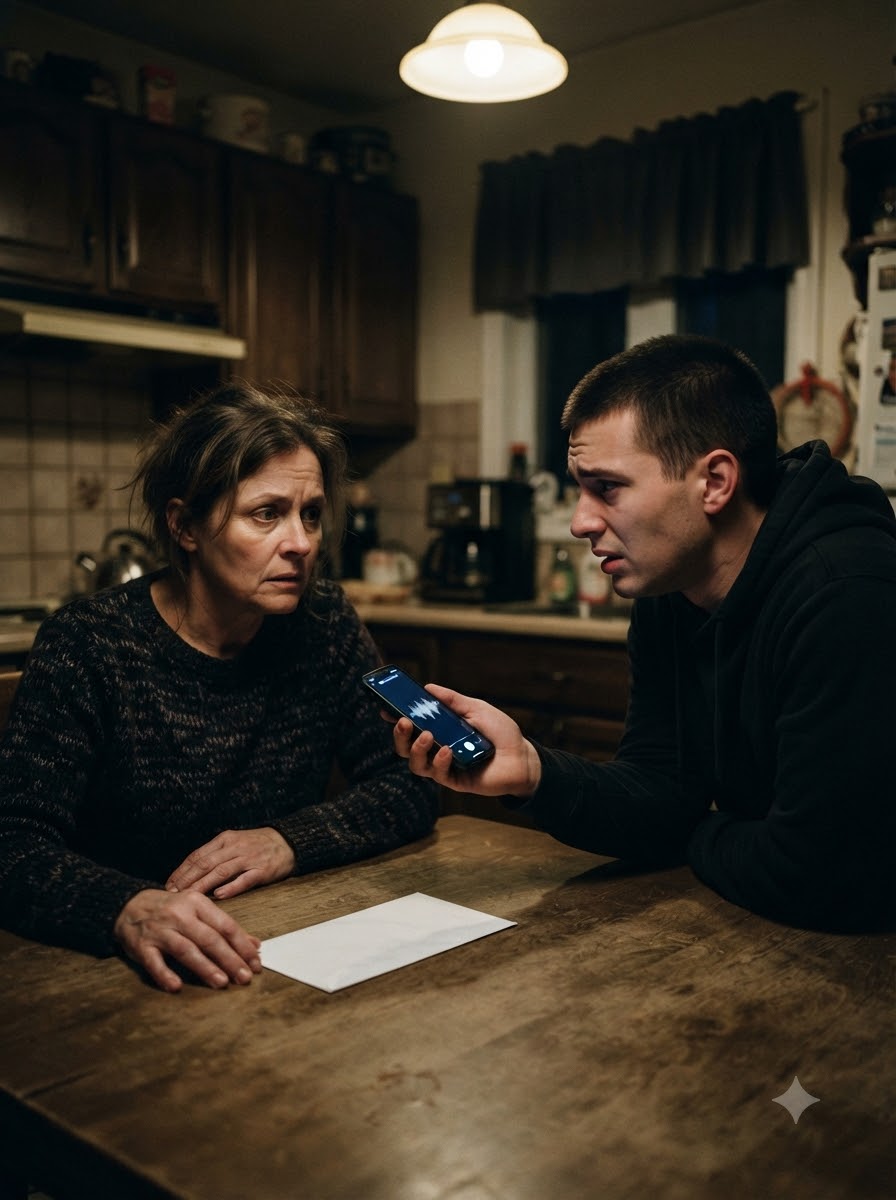
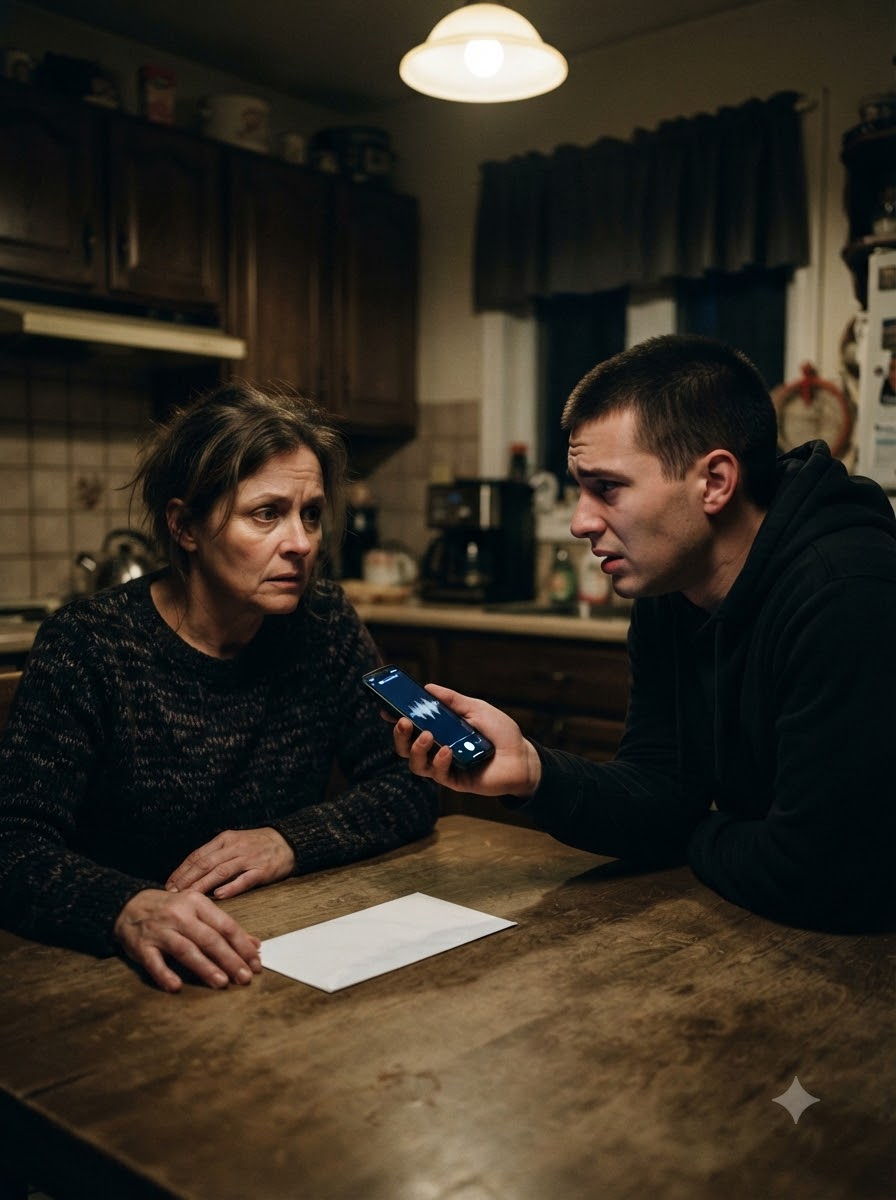
—Do you want to give me a wedding gift, Mom?
Mariana stood beneath the hotel ballroom’s crystal chandeliers in a white rehearsal dress, one hand resting on the waist of her unborn future.
Her French-tipped nails flashed as she pointed toward the exit.
“Then disappear from my life.”
The last fork stopped halfway to someone’s mouth.
A waiter froze beside the dessert table. The wedding planner hugged her tablet to her chest. Across the room, Diego Salvatierra’s family watched me with the polished expressions of people who considered cruelty acceptable as long as it was delivered in an expensive room.
I was holding a seating chart.
That was all.
I had asked the planner to move my mother’s table away from the norteño band. Carmen wore hearing aids, and the speakers were positioned directly beside her chair.
I had said, “Could we place her somewhere quieter? The music may hurt her ears.”
Mariana had turned on me as if I had insulted her fiancé.
“You always have to interfere,” she said.
“I’m only trying to make sure your grandmother is comfortable.”
“Don’t call me honey. You embarrass me.”
The sentence struck harder than her raised voice.
Not because it was loud.
Because it sounded practiced.
As though she had been waiting years to say it.
Diego sat beside her, immaculate in a dark suit, his expensive watch gleaming beneath the chandelier light. He had not defended me. His mother, Patricia Salvatierra, adjusted the napkin on her lap and gave me a small, almost sympathetic smile.
That smile told me exactly where I stood.
Not as Mariana’s mother.
As an inconvenience.
“You’re the worst mother anyone could have,” Mariana said.
My mother drew a sharp breath.
I looked at my daughter.
I had spent thirty years becoming invisible so she could feel important. That night, I realized she had not mistaken my sacrifice for love.
She had mistaken it for weakness.
“My name is Elena Arantza Rivas,” I said quietly. “I am fifty-eight years old. I raised Mariana alone after her father, Arturo, decided he needed to find himself somewhere far from unpaid bills and sick children.”
Arturo left when Mariana was six.
He missed school plays, fevers, parent-teacher meetings, and the years when Mariana asked whether he had left because she was difficult to love.
I answered those questions alone.
I worked two jobs. I took buses before dawn. I pawned my mother’s jewelry to pay for private school. I paid for English lessons, glasses, therapy, law school, and the apartment Mariana rented during her internship.

More From This Author