STORY
My Sister Stole a House in My Name—Then Mom’s Recording Played
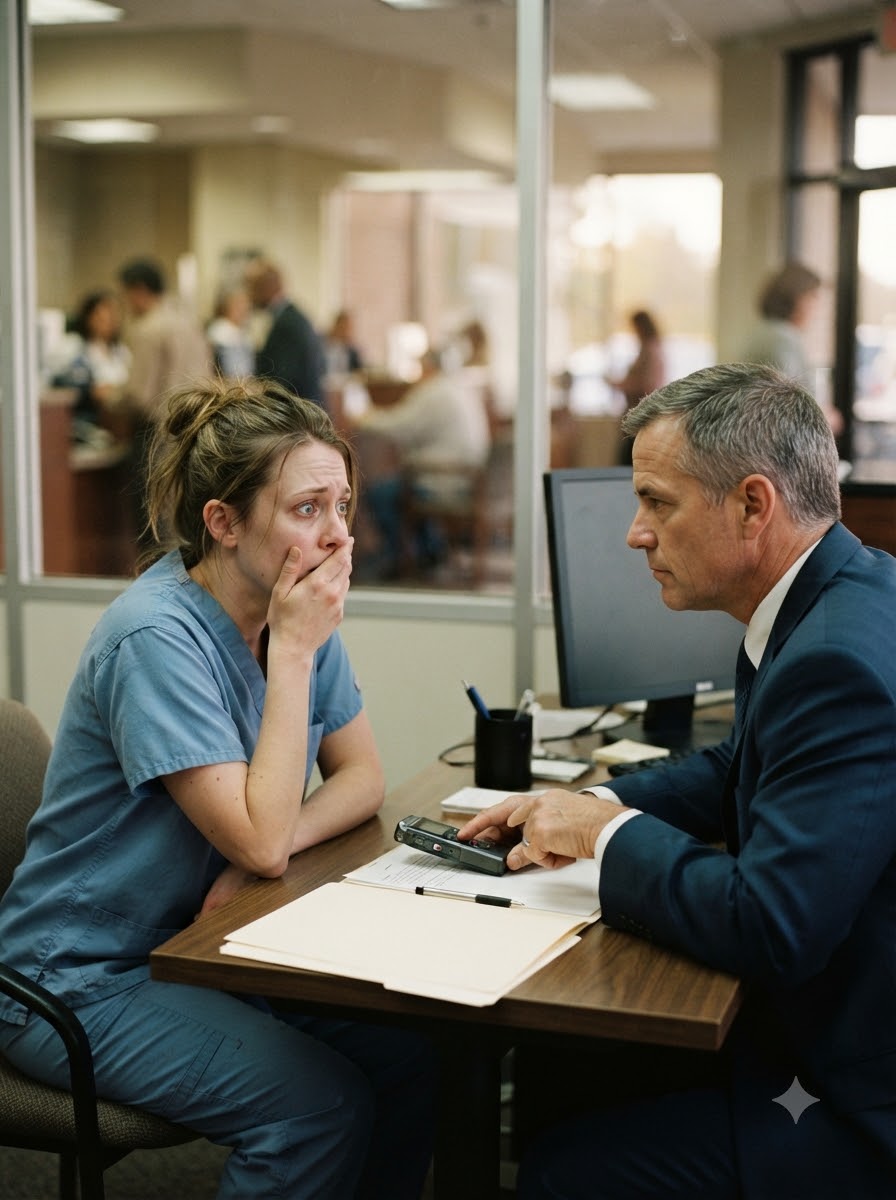
Inside, they claimed I had voluntarily helped Amanda and Brian purchase the home as an investment and had later become confused about the arrangement.
They planned to blame my hospital work and exhaustion.
When Detective Morales showed me the messages, I felt something inside me settle.
Not because I was less hurt.
Because I no longer had to wonder whether I had misunderstood.
I had not imagined the betrayal.
I had not been jealous.
I had not been confused.
They had planned to make my own family doubt me if I fought back.
Amanda and Brian were arrested two weeks later.
Amanda was charged with identity theft, forgery, conspiracy, and fraud. Brian faced the same charges, along with additional counts related to the false business records and financial transfers.
The lender removed the mortgage from my credit report after the forensic investigation confirmed I had not signed or authorized the loan. The fraudulent bank account was closed. The credit cards were canceled. The furniture store returned the unpaid balance to the fraud department.
It took nine months to repair my credit.
Nine months of forms, interviews, affidavits, notarized statements, and phone calls during my lunch breaks. Nine months of explaining that I did not own the Highland Drive property and had never received a penny from its sale.
The bank eventually foreclosed on the house.
Amanda and Brian had stopped making payments after their arrest, and the trust transfer was blocked by the court. The house sold for less than expected, leaving them responsible for a large deficiency.
The proceeds from Brian’s business accounts were seized. Amanda lost her real estate license permanently.
My parents sold their home to pay their legal bills and moved into a smaller condominium. They had believed Amanda’s story for three days before Detective Morales showed them the messages.
My mother cried when she called me.
“I should have believed you immediately,” she said.
“Yes,” I answered.
It was the first honest thing I had said to her in months.
My father apologized too, but apologies could not return the year I had spent living under the threat of a debt I never created.
Amanda pleaded guilty after the evidence was presented. Brian went to trial and was convicted.
At sentencing, Amanda looked smaller than I remembered.
She wore a plain gray sweater and kept twisting a tissue between her fingers. When the judge asked whether she wanted to address the court, she turned toward me.
“I was trying to build a life,” she said. “I made terrible choices, but I never meant to hurt you.”
I stood when it was my turn.
“You didn’t make one terrible choice,” I said. “You made hundreds. You opened accounts. You forged documents. You lied to the bank. You used my private information. Then you tried to make me doubt my own mind.”
Amanda’s eyes filled with tears.
“I loved you.”
“Love doesn’t require a victim.”
The courtroom was silent.
“I hope you understand that what you stole was not just money,” I continued. “You stole my sense of safety. You made me question every memory I had of you. But you did not steal my name forever.”
The judge sentenced Amanda to several years in prison and ordered restitution. Brian received a longer sentence because he had organized the financial scheme and falsified the business records.
It took time to learn how to trust my own instincts again.
I changed my phone number, moved to a new apartment, and stopped sharing personal details simply because someone was family. I kept my documents in a locked box and checked my credit every month.
A year after the bank called me, I received a letter confirming that my credit report was clean.
I read it twice.
Then I walked to the kitchen window and looked out at the city.
I still rented. I still worked long shifts. I still owned more plants than furniture.
But my life belonged to me again.
One Saturday morning, a little girl from the pediatric ward gave me a drawing of a bright yellow house with flowers around the door. She had written my name across the top in uneven purple letters.
I brought it home and taped it above my desk.
For months, the word house had meant a mortgage, a forged signature, and my sister’s betrayal.
Now it meant something else.
Not the place Amanda had stolen with my identity.
The home I was rebuilding inside myself—quiet, honest, and finally protected by a door only I could open.

More From This Author