STORY
My Son Called Me Dead Weight—Then His Key Stopped Working
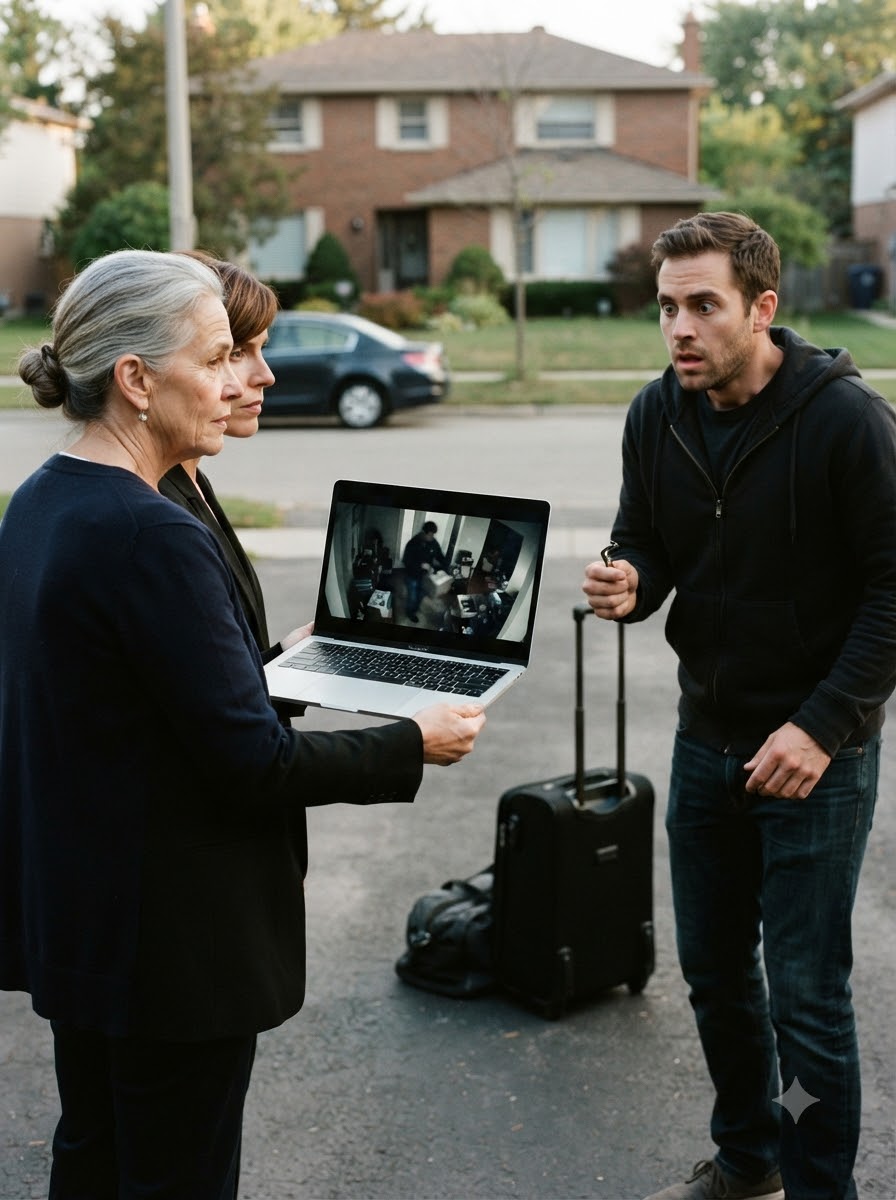
The bank’s investigation found that Daniel had uploaded a scan of my driver’s license and submitted the forged signature. Because no money was disbursed, he was not charged with theft of the loan proceeds, but he pleaded guilty to attempted identity fraud and unlawful use of personal information.
He received probation, community service and a restitution order covering my legal and credit-monitoring costs.
His employer, a financial services firm, dismissed him after learning of the conviction.
Melissa’s brother sued them over the unpaid loan. The Lyon partnership kept their deposit when they failed to provide the remaining funds. Their credit cards went into default.
Six months later, they sold their condominium.
Their marriage lasted three months after that.
Melissa blamed Daniel for promising money he did not own. Daniel blamed Melissa for pushing him. Both explanations were true, and neither excused them.
Some relatives said I had gone too far.
Daniel’s aunt called and told me family matters should remain private.
I asked whether identity theft became less criminal when committed by someone whose diapers you once changed.
She had no answer.
Others surprised me.
My niece helped me hang pictures in the lake cottage. Mrs. Alvarez visited every Thursday for coffee. Even Melissa’s brother wrote to apologize. He said he had believed I had agreed to finance their investment and gave Martin copies of messages proving they had lied to him too.
Daniel sent letters.
At first, they were angry.
Then defensive.
Finally, almost a year later, one arrived without excuses.
He wrote that he had treated my life like an obstacle and my home like a prize. He said he understood why I no longer trusted him.
He did not ask for money.
He did not ask to visit.
I kept that letter.
Keeping it was not forgiveness, but it was the first thing from him in years that felt honest.
On the anniversary of Frank’s death, I carried his ashes down to the lake at sunrise. The water was silver, and the air smelled of pine.
I sat in his old recliner by the window afterward and looked at the strip of wood marked with Daniel’s childhood heights.
For months, I had wondered whether saving those marks made me weak.
Then I understood they belonged to a child who had existed, even if the man he became had disappointed me.
I did not have to erase my past to protect my future.
The money from Cedar Grove was invested in a trust that would support me for the rest of my life. Part of it funded a legal-aid program for older people facing financial exploitation by relatives.
The first time the program director showed me a letter from a widow they had helped, I read it three times.
She had kept her home.
She had kept control of her accounts.
Most importantly, she wrote, she had stopped feeling ashamed.
That was when the sale finally felt complete.
I had not sold my home to punish Daniel.
I had sold it because he had confused my age with helplessness, my grief with incompetence and my love with surrender.
Cedar Grove had held thirty-four years of my life, but dignity does not live in bricks or photographs or pencil marks on a wall.
It lives in the moment you stop asking permission to save yourself.
The day Daniel’s key failed, he thought a lock had turned against him.
It had not.
The door had simply learned who it belonged to.

More From This Author