STORY
My Parents Tried to Sell My Villa—Hollis Found a Second File
My mother’s email arrived while I was asleep in a Zurich hotel, six time zones from the house she said she had sold.
I woke at 2:17 a.m., reached for my phone, and read her subject line: We did what we had to do.
“Madeline, we sold the seaside villa. Chloe’s situation is serious. Don’t be selfish. Family comes first.”
For a moment I thought I had misunderstood. Then I read it again.
The house in Beaufort County was not a family villa. My parents had never paid a dollar toward it. I had bought it after six years of late nights in corporate litigation and spent three more years repairing its roof, replacing its windows, and pulling rotted boards off the porch. My name alone was on the deed.
My parents had a spare key for emergencies. They had been inside twice.
I called my mother. The call rang out. My father sent me to voicemail. While I was trying him a second time, his email appeared.
“Chloe made mistakes. The lender is dangerous. We couldn’t let her be harmed. You have more than enough. Stop thinking like a stranger.”
Chloe had been in trouble before. She could make a small loss sound like the end of the world, and my parents had rescued her so often that I no longer knew when she was telling the truth. But I believed she might be frightened. I even believed my parents might be frightened too.
None of that gave them the right to sell my house.
I put down my phone and opened the folder where I kept the deed, tax bills, insurance records, and renovation invoices. My hands shook as I gathered them. Then I called the Beaufort County Sheriff’s Office.
I gave the deputy my name and address and read both emails aloud.
“Did you authorize anyone to act for you?” he asked.
“No.”
“Has the property changed hands?”
“I don’t know. I’m in Switzerland. I found out ten minutes ago.”
He took the information and gave me a report number. When I told him I had cameras at the house, he asked me to save the recordings and send what I could. He said an investigator would contact the real estate office.
After we hung up, I sat in the dark looking at the photograph on my lock screen. The house was white, with blue shutters and a narrow path through the grass to the water. I had taken the picture the morning the new porch was finished. For years, when work became unbearable, I looked at it and remembered I had somewhere else to go.
I did not answer either email.
By dawn, I had sent the deed and purchase records to the investigator. I also searched the camera app. My parents had been at the house three days earlier. The front-door camera showed my father unlocking it while my mother waited behind him with a canvas bag. A man in a linen shirt followed them inside carrying a camera case.
An hour later, he photographed the porch.
I knew the house was worth much more than it had cost me. The photograph made me wonder who had been told it was for sale.
Just after eight in North Carolina, my phone rang.
“Ms. Pierce? This is Hollis Grant at Seabright Realty.”
Hollis had helped me buy the house. His usually easy voice sounded strained.
“The sheriff’s office called us,” he said. “Your parents are here. They say you agreed to sell and asked them to handle it because you were traveling.”
“I did not.”
He let out a breath. “I didn’t think so. They brought a power of attorney with your signature. I’ve told them I can’t proceed until I speak to you.”
“Has anyone paid them?”
“Not through us. There’s an offer and a proposed closing next Friday. Nothing has closed.”
I gripped the edge of the desk. Until then, my mother’s email had made it sound finished. They had told me after they thought there was no way to stop them.
“Are they still there?” I asked.
“Yes. An investigator is coming. I wanted you to know before they called you themselves.”
I told Hollis to give the investigator everything and not to let my parents leave with the paperwork. I could hear my father’s voice in the background, raised but indistinct. Then a door shut, and Hollis said he had to go.
The next twelve hours passed in calls, document uploads, and waiting. I told my employer what had happened and changed my flight. The meeting in Zurich would go on without me.
An investigator named Lena Ortiz called while I was packing. My parents had brought Hollis a printed power of attorney, a copy of my passport, and a letter stating I wanted a quick sale to help Chloe. The signature on the power of attorney resembled mine. The notary stamp was from a local office, and the date fell two days after I arrived in Switzerland.
“The notary says you appeared before her,” Ortiz said. “We’re going to speak to her again.”
“I have my passport with me. I’ve been here all week.”
“That will help. Please send your flight and hotel records.”
The passport copy troubled me almost as much as the signature. My parents had never needed it. Then I remembered a dinner at their house in January. My mother had asked whether I had renewed my passport for work and said she wanted to see the photograph because I looked tired in my old one. I had handed it over while clearing the table.
I had watched her laugh at the picture. I had not watched where she took it afterward.
On the flight home, my father left three messages. In the first, he was indignant that I had involved the police. In the second, he said my mother was crying. In the third, his voice softened.
“We were going to explain it, Maddie. Chloe needs help now. Please call before you make this worse.”
I saved them all.
By the time I reached North Carolina, Ortiz had obtained the real estate file. The buyer had offered $640,000 in cash. A recent appraisal in my insurance paperwork valued the house at just over a million.
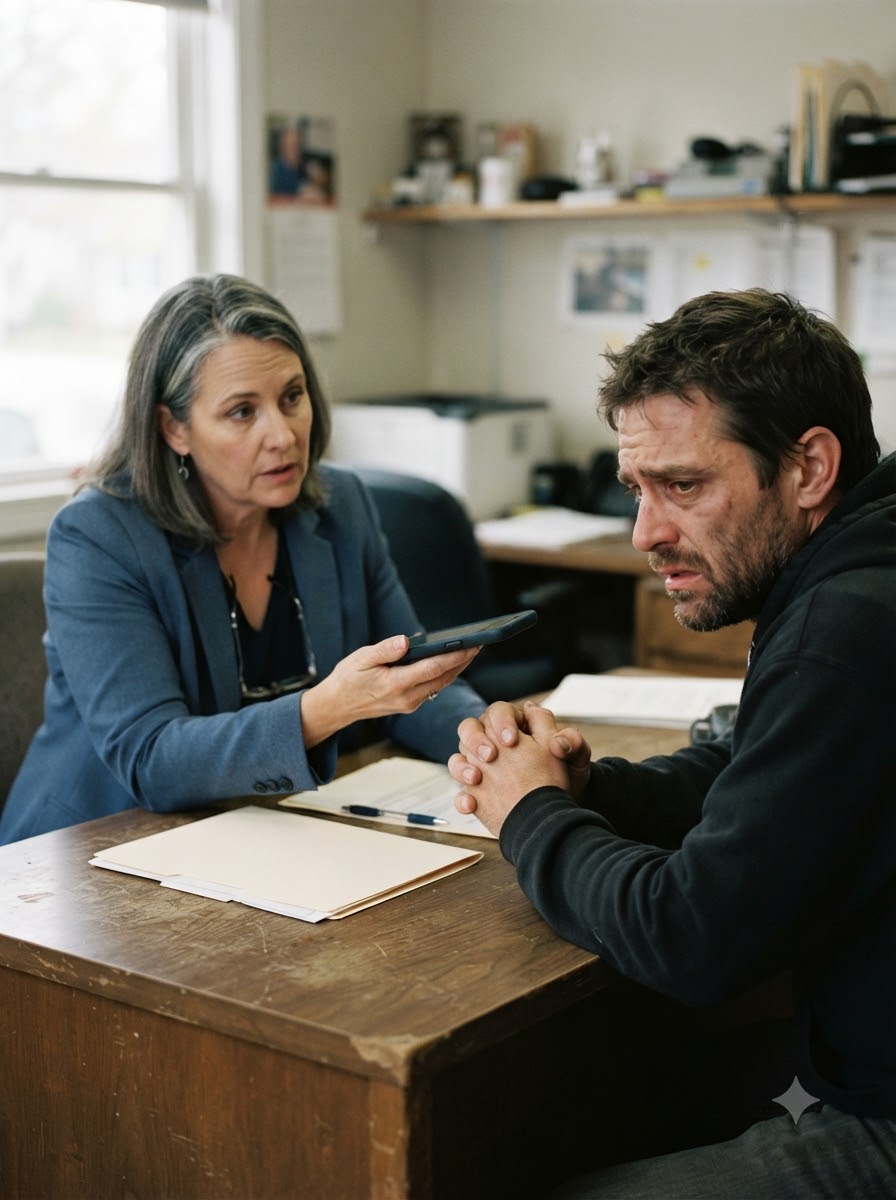
Hollis met me at his office the following morning. He looked tired. He set a folder on the table and told me he was sorry he had let my parents inside the house with a photographer he had recommended.
“Your father said you wanted to prepare the listing quietly,” he said. “I should have called you before I gave him the name.”
He had not signed a listing agreement or accepted the offer. Still, his guilt was plain.
I opened the folder. The first page was the power of attorney. Under my copied signature, in neat blue ink, was the notary’s name: Elaine Wexler.
“I don’t know her,” I said.
Hollis nodded. “Ortiz is looking into it.”
The offer came from a company called Tern Harbor Holdings. I had never heard of it. Hollis said my father had brought the buyer to him and pressed him to move quickly. When Hollis suggested listing the house publicly, my father had said Chloe could not wait.

More From This Author