STORY
My Son Asked If I Was Alone—Then My Dead Wife’s Tablet Spoke
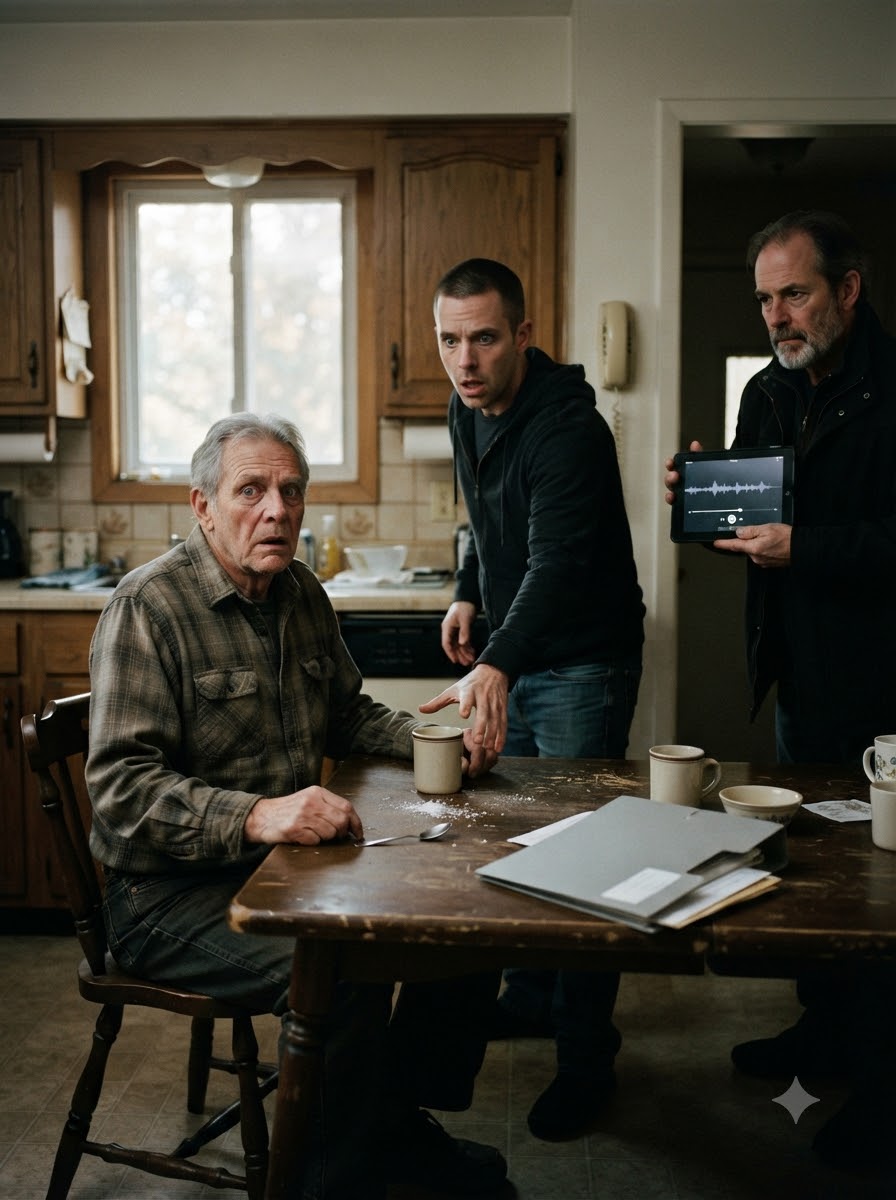
Frank began calling at eight instead.
He never asks whether I am alone.
He asks whether I have coffee on, and then he complains about his knee.
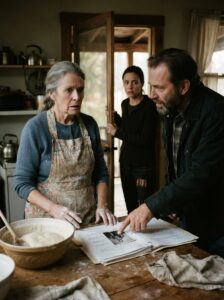
Patrice comes over most Sundays around nine. She brings muffins and refuses to knock because she says knocking is for salesmen and distant relatives.
I had the back porch repaired last summer.
Not patched. Rebuilt.
We widened it enough for three chairs and added a railing sturdy enough to lean against. Patrice chose the stain. Frank criticized it. I ignored both of them.
Carol’s hydrangeas bloomed brighter than they had in years.
Sometimes I sit outside and think about the question Daniel asked me every week.
Are you alone?
For eighteen months, I believed he was asking because he feared loneliness might swallow me.
The truth was uglier. He needed isolation. He needed a house without witnesses, a father without allies, an old man everyone would believe had become confused.
He nearly got what he wanted.
But the lie that saved my life was not only the one I told him that final Sunday.
The deeper lie was the one I had told myself after Carol died: that needing other people was weakness, that grief should be carried privately, that quiet and loneliness were the same as peace.
They are not.
These days, my house has noise again.
The refrigerator still hums. The vents still crack. The hallway clock still ticks too loudly.
But there are other sounds now.
Frank swearing when he loses at cards.
Patrice laughing from the porch.
Coffee pouring into three cups.
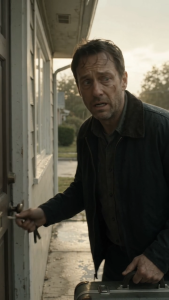
And every Sunday morning, when the sun reaches across the kitchen floor, I unlock the front door.
Not because I am waiting for my son.
Because I am no longer ashamed to let the world know I am not alone.

More From This Author